Jean-Claude BAUDOT
ELECTROGRAPHIC ART, COPY ART SINCE 1960
Return to Experts
 Jean-Claude Baudot[/caption]
EXPERT JEAN-CLAUDE BAUDOT / by Alexandre Murucci
Jean-Claude Baudot[/caption]
EXPERT JEAN-CLAUDE BAUDOT / by Alexandre Murucci
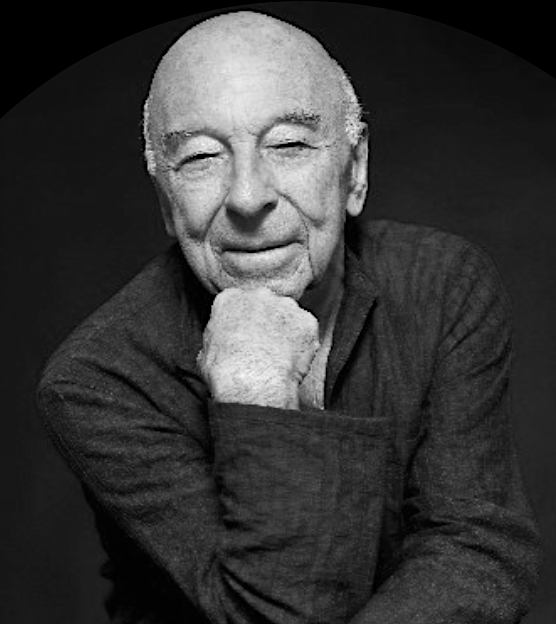
Jean-Claude Baudot is French. Born in 1934. Bibliophile grandfather. Father a doctor, numismatist, and philatelist. In short, Jean-Claude Baudot is a genetic collector. By the early 1970s, he had already been introduced to avant-garde art by two major collectors, Roland de Montaigu and René Ullmann. Psychedelia, arte povera, futurism, nouveau réalisme, geometric abstraction, conceptual art... In 1980, the great French theorist of Copy Art, Christian RIGAL, gave him his book: Le COPY ART (Edition Transform), with a dedication: "Why not your next collection?" Jean-Claude Baudot, who had already been interested in avant-garde postcards for two years (he has more than 20,000), accepted the challenge.
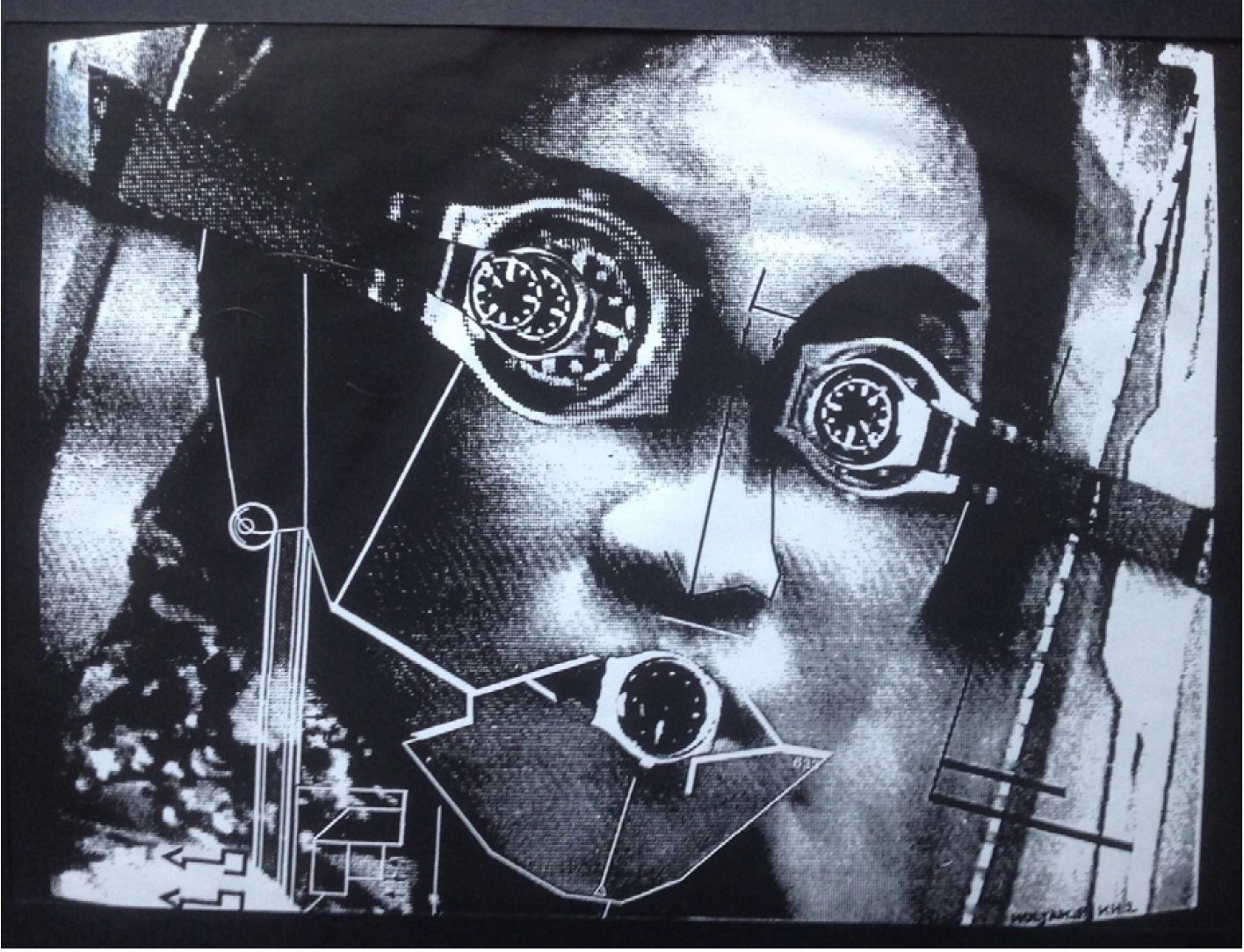
Fascination with THE PHOTOCOPIER, this new creative medium. Artists subverted its initial function of "copying." They had the idea of using it to CREATE original and unique works. He visited the pioneering exhibition held at the Centre Pompidou in Paris from June 26 to September 30, 1980. He discovered the works of Pati HILL, an American artist living in Paris. Then CEJAR (pseudonym of Christian RIGAL), Sol LEWITT and the minimalists, Gil WOLMAN and his "pocket portraits," HUDINILSON Jr and his erotico-corporeal works...
He was captivated by the paradox of the photocopier. "Art Machina." A machine even faster than the camera, which had allowed, a few decades earlier, the emergence of PHOTOGRAPHY, elevated to the status of ART.
COPY ART, also known as XEROX ART, is instantaneous, easy, playful, accessible, simple or complex, elaborate or unpredictable.
For art, it is a revolution. Jean-Claude Baudot dedicated himself to this emerging artistic movement. He collected works, one by one, methodically. And archives as well. The goal: to create a museum. He assembled one of the most important private collections in the world. Perhaps the most important... 1,600 works, often major ones, sometimes masterpieces, by more than 400 artists.
For this year, 2018, he had the idea of commemorating the 80th anniversary of the invention of the photocopier (1938). Numerous exhibitions and events were already scheduled in the USA, Canada, France, Italy, Germany, Spain, etc. "I chose Rio de Janeiro," he said, "with the help of Alexandre Murucci, to present a selection of my best pieces. 200 works by more than 100 artists. This is the first time I am exhibiting my collection. Thank you, RIO and the Hélio Oiticica Art Center."
Contact
Jean-Claude BAUDOT
| 12 Passage Bourgoin 75013 Paris |
| + 33 (0) 6 15 87 07 05 |
[UFE number : 217]