Learn More
Just as Auguste Rodin drew and painted in watercolor, and Alberto Giacometti painted and drew with as much ease and conviction as he sculpted, Edgar Degas, Paul Gauguin, Amedeo Modigliani, Pablo Picasso, and André Derain worked with wood and stone through direct carving.
Between 1850 and 1950, painting and sculpture were thus the prerogative of modern artists who proved to be versatile, having loved and practiced both of these complementary disciplines during their training at the Beaux-Arts. It is fascinating for historians to evaluate the predominance and alternation of painting and sculpture in these artists' lives and their place within their general body of work.
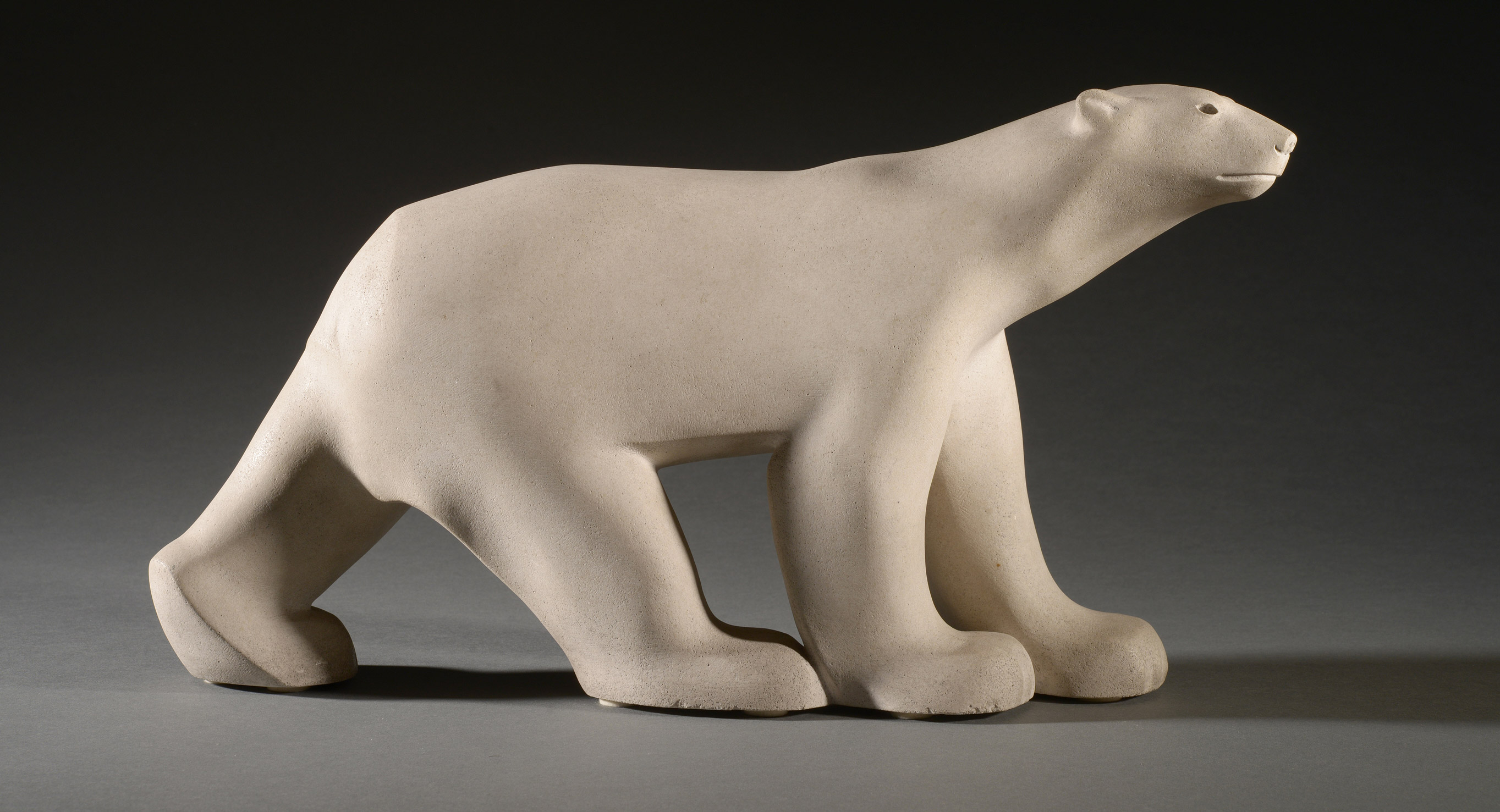
Animal sculpture holds a very special place in France, where it was particularly fashionable during the Second Empire. One can thus speak of a French animalier school that would include Antoine-Louis Barye and his son Alfred Barye, Émile-Coriolan Guillemin, Pierre-Louis Rouillard, Auguste Caïn, Pierre-Jules Mêne, François Pompon, and more recently, Armand Petersen.
Regardless of the style of the sculpture, the major question of multiples arises here just as it does in the field of prints, namely the difficulty at times of distinguishing the fake from the authentic.
Recent restrikes are commonly offered in public and private sales. Their production is greatly facilitated today by modern technology.
Owning an original is an immense privilege, but a cast is also a precious collector's item if the piece is recognized as authentic by the artist's expert.