Yves GÉVIN
THE LIFE AND WORK OF LÉON LEHMANN (1873-1953)
Return to Experts
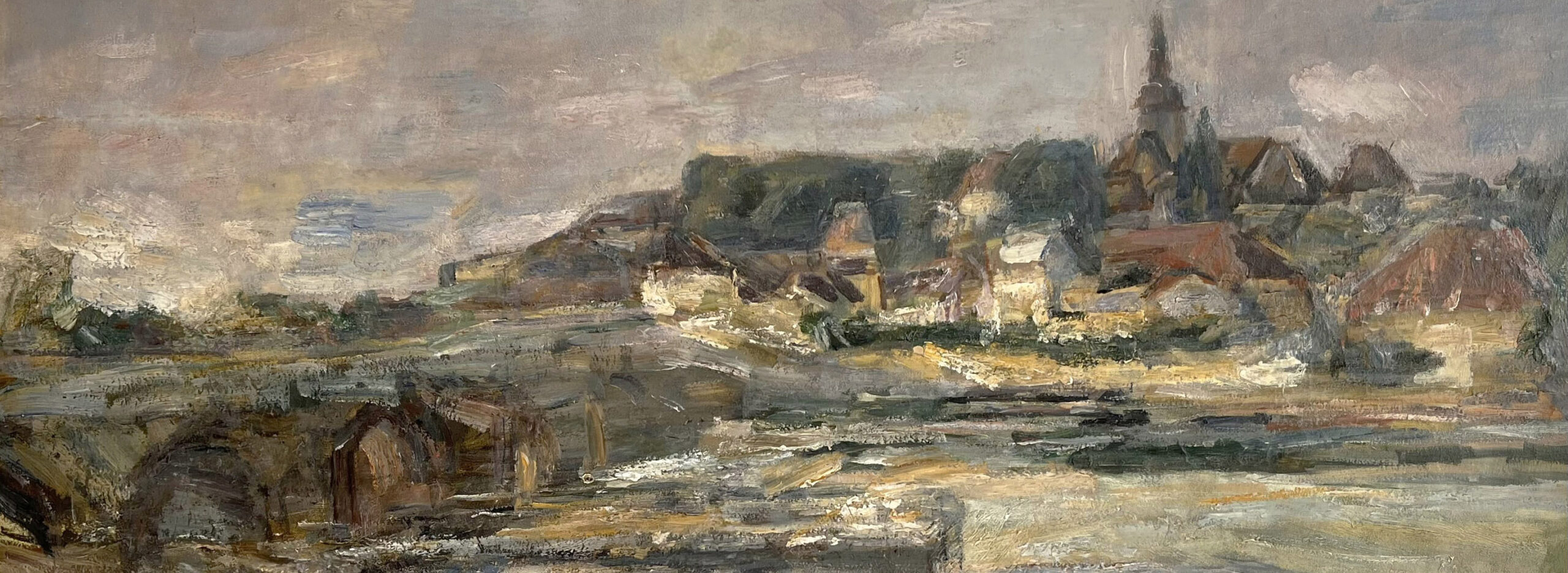
Léon Lehmann 1930 La Saône à Gray, oil on canvas, 65 x 81 cm, private collection, © UFE expert Yves Gévin archives.
THE EXPERT:
{%CAPTION%}
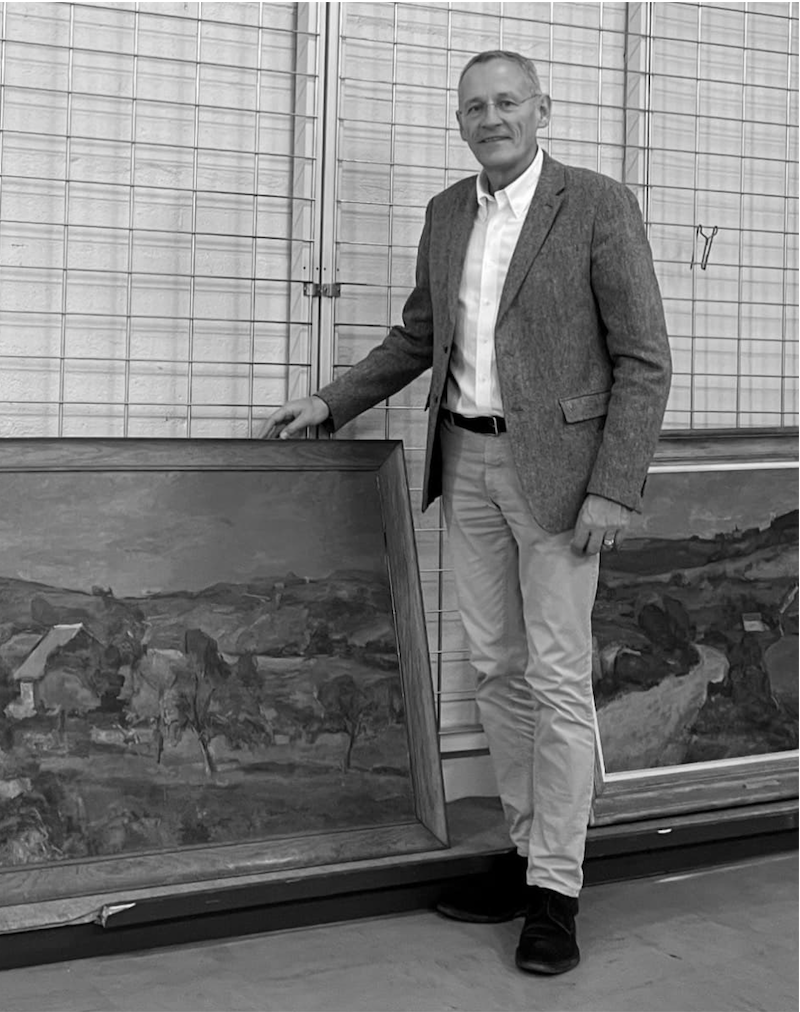
Yves Gevin is a great-nephew of the artist.
He founded and chairs the non-profit association (under the French Law of 1901) Archives Léon Lehmann, whose purpose is to preserve and enrich the family archives, to defend and promote his work, and to participate in any operation aimed at making the artist and his work known. A former consultant and business leader in the service industry, Yves Gevin has been passionate about art since his early childhood and produced the catalogue raisonné of Léon Lehmann’s painted work in 2014. He is currently a doctoral student in art history and is devoting his thesis to Léon Lehmann. He is the referring expert for the work of Léon Lehmann.
THE ARTIST:
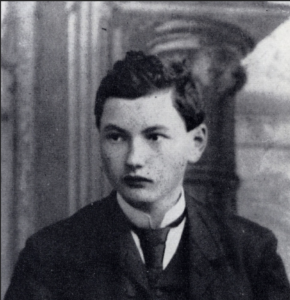
{%CAPTION%}
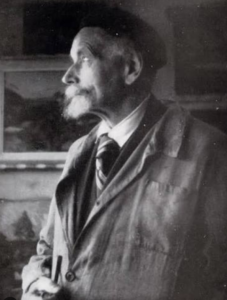
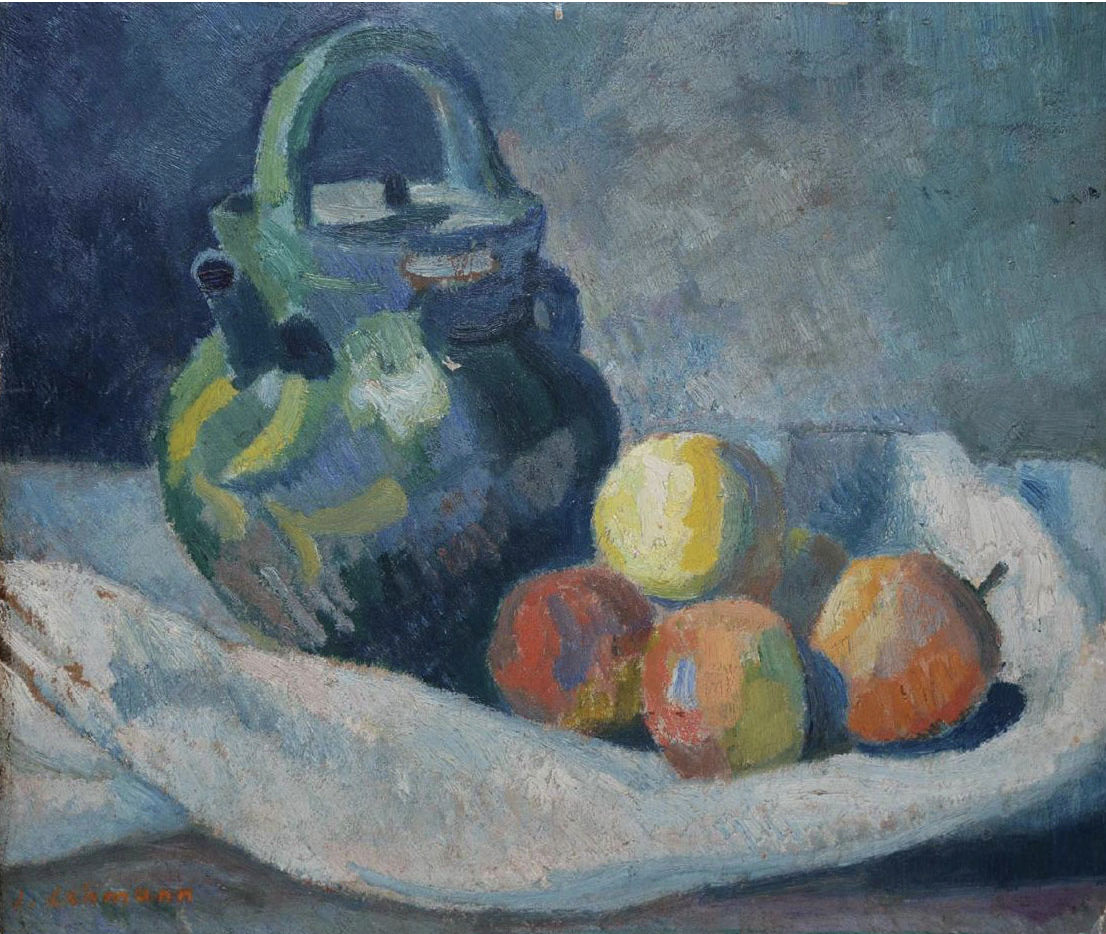
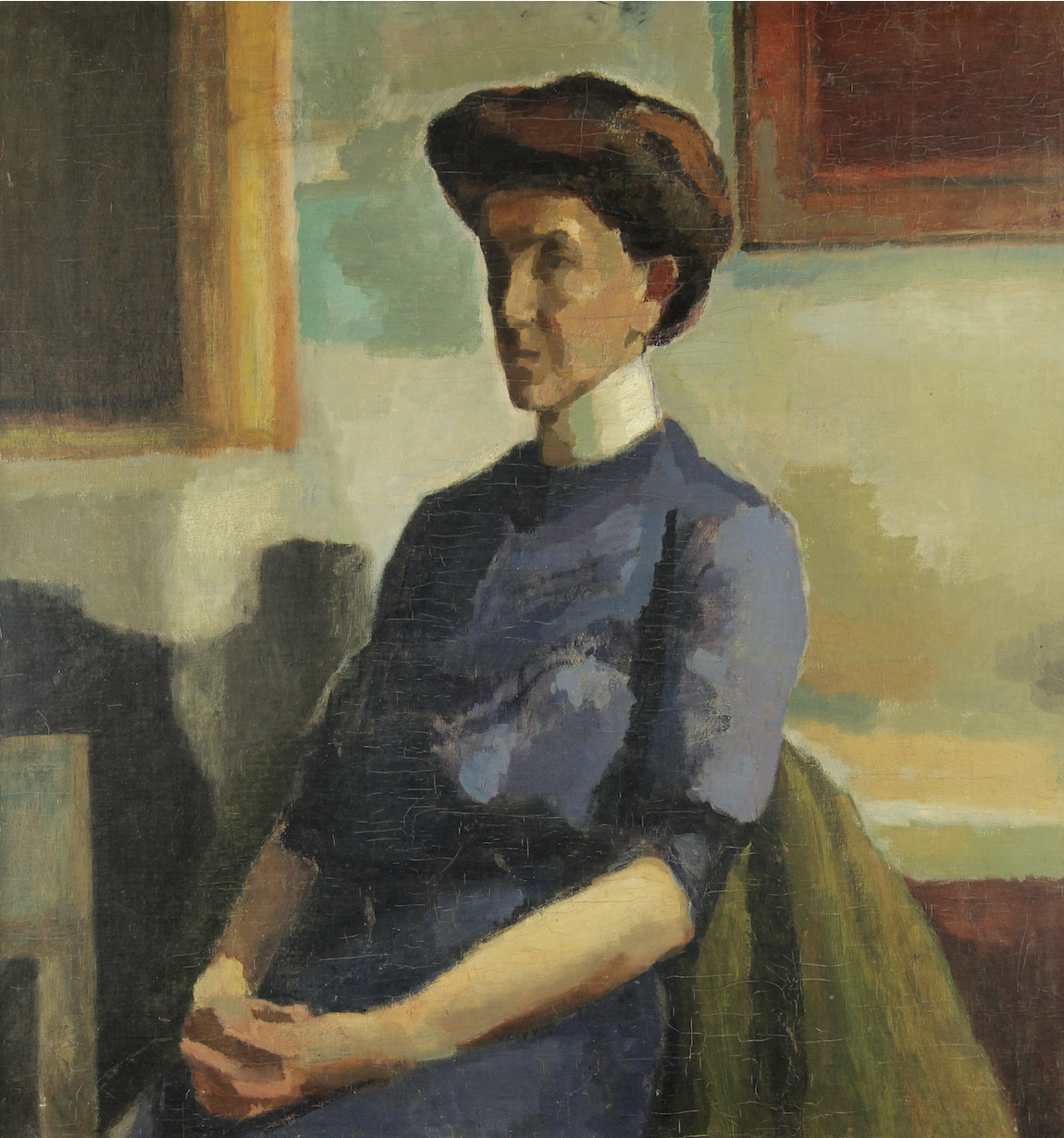
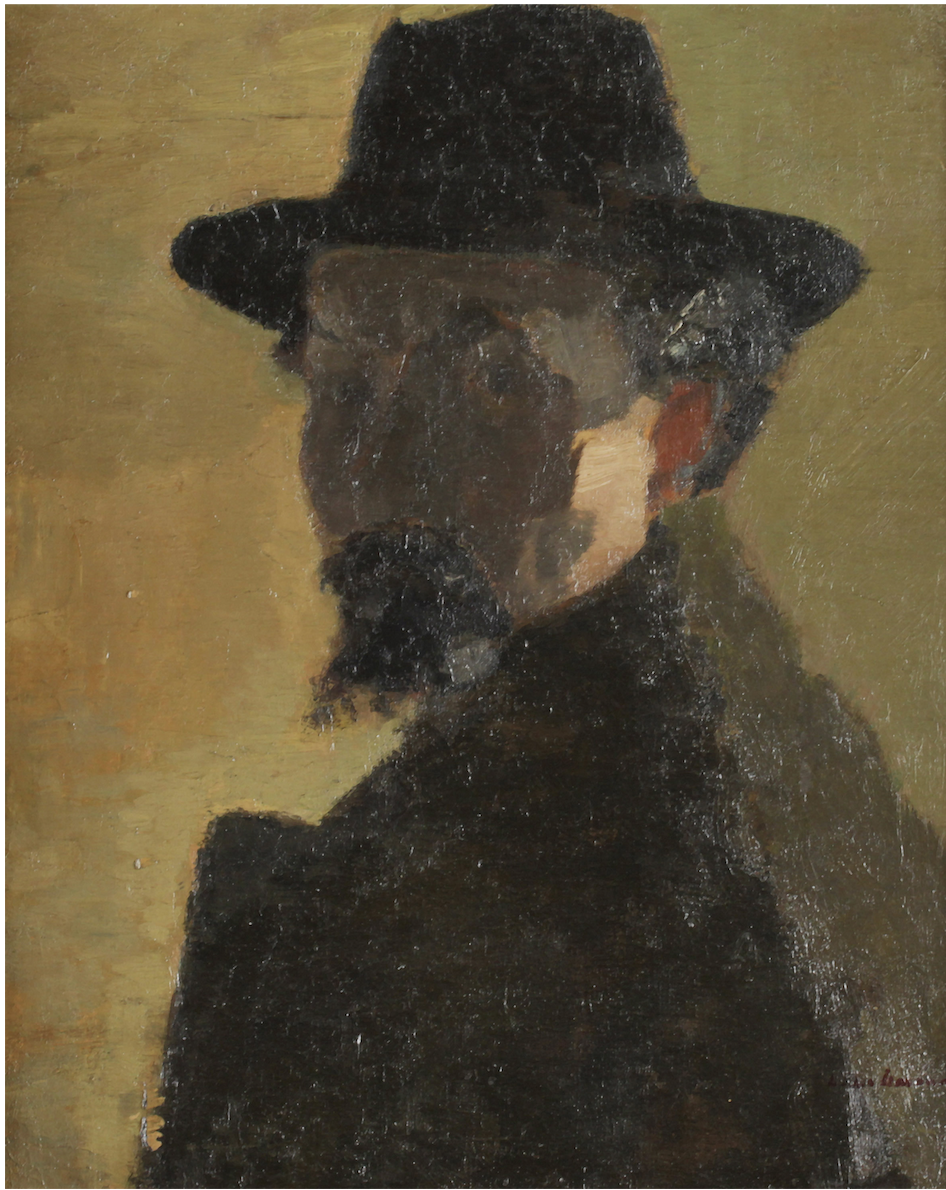
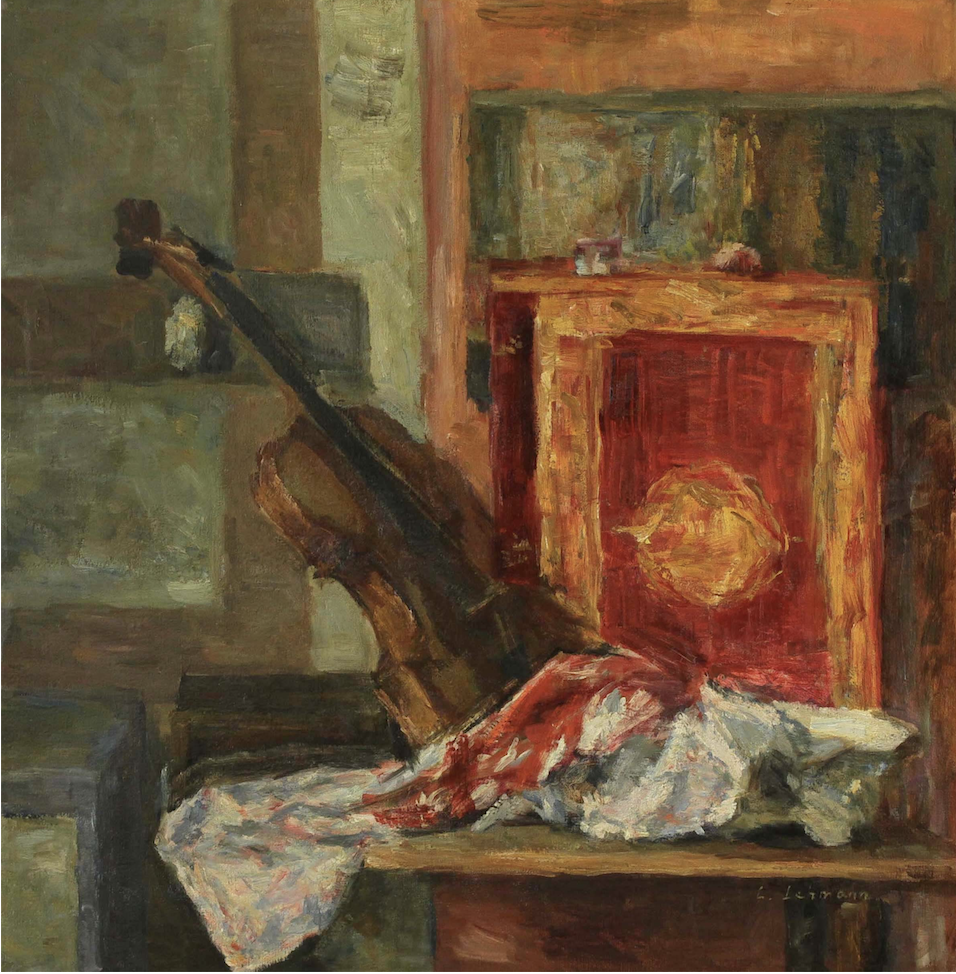
Born in 1873, Léon Lehmann entered the studio of Gustave Moreau at the École des Beaux-Arts in Paris in 1893, where he worked alongside Matisse, Marquet, and Rouault, who would become his great friend. He was initially passionate about military subjects, which he translated into noted and acclaimed drawings and canvases: second prize at the school’s studio competition, and the exhibition of his Reconnaissance de cavalerie at the 1894 Salon des artistes français at the age of 21.
Returning exhausted from his military service in 1895, he retired to Franche-Comté and struggled to find his direction for several years. At the instigation of Georges Rouault, who brought him back to Paris and hosted him in his family for nearly 14 years, Léon Lehmann then discovered the French pictorial renewal, which he expressed in some of his canvases without ever truly yielding to it. He attracted the attention of Parisian galleries Berthe Weill and then Druet, who exhibited him alongside artists who became famous (Matisse, Dufy, van Dongen, Marquet, Rouault, Puy…).
The War of 1914-1918 marked a turning point in his work, which asserted itself in a very personal, intimate way, often of mystical inspiration. The Blot gallery then exhibited his work very regularly.
in Gustave Moreau’s studio with Rouault, Matisse and Marquet
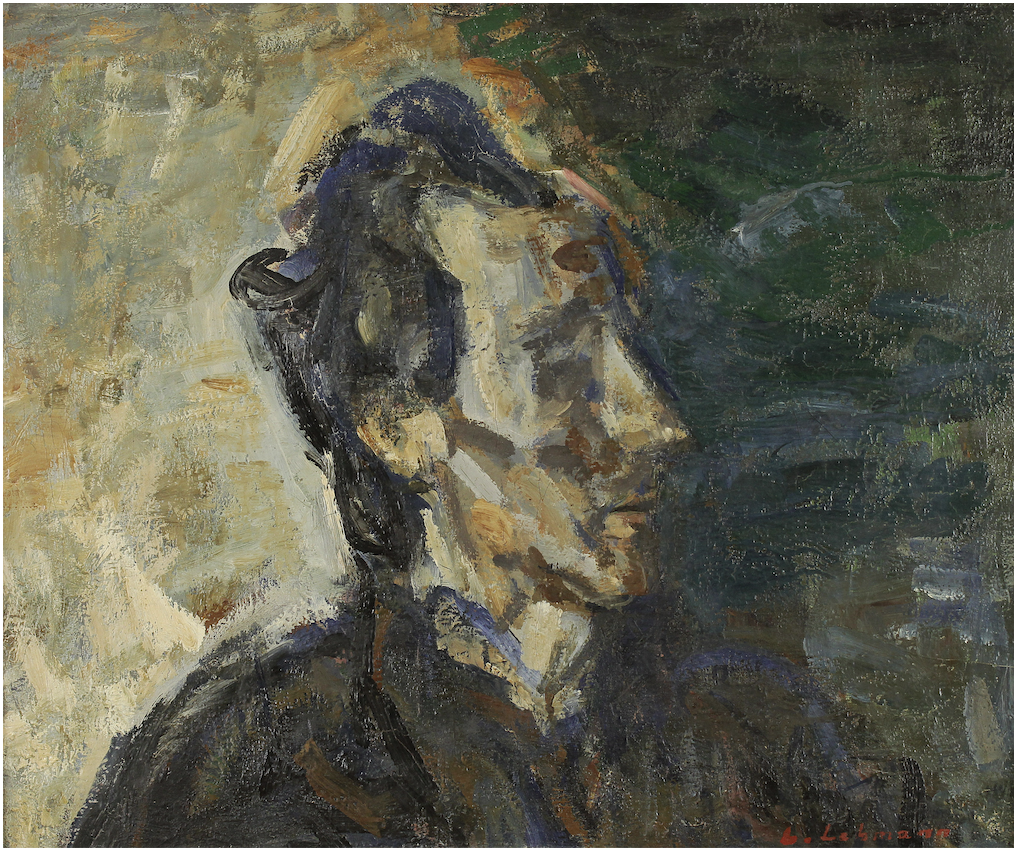
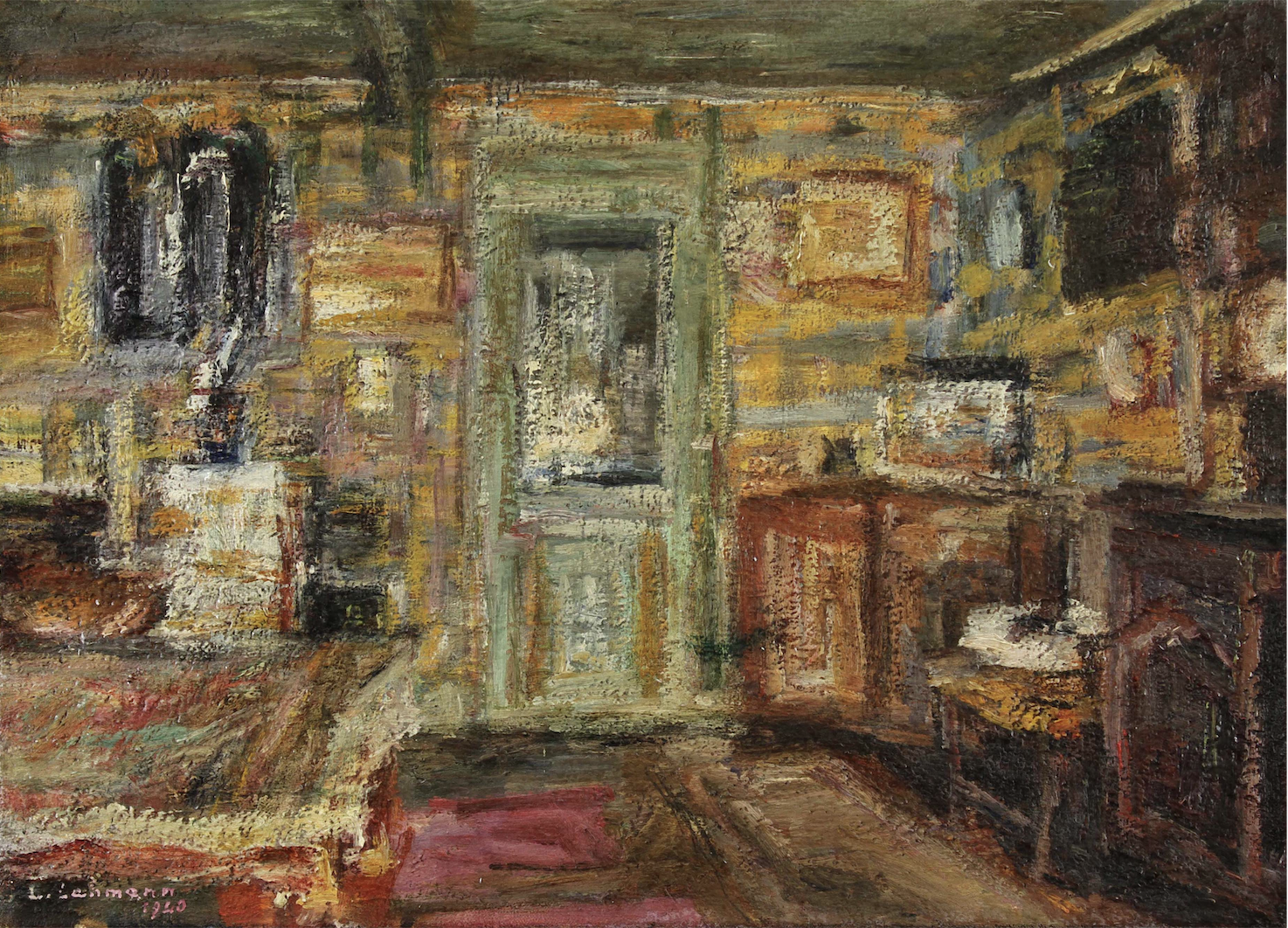
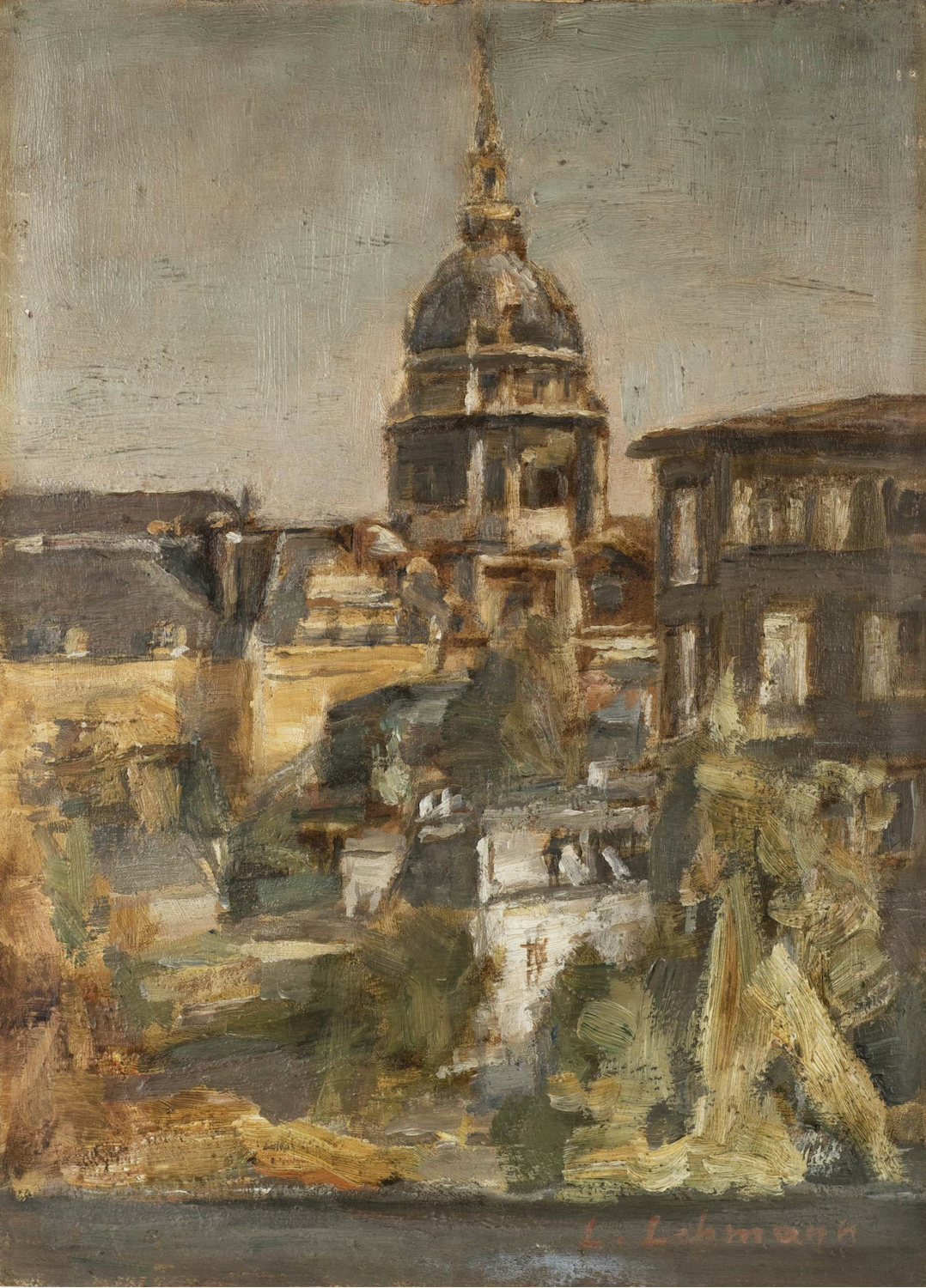
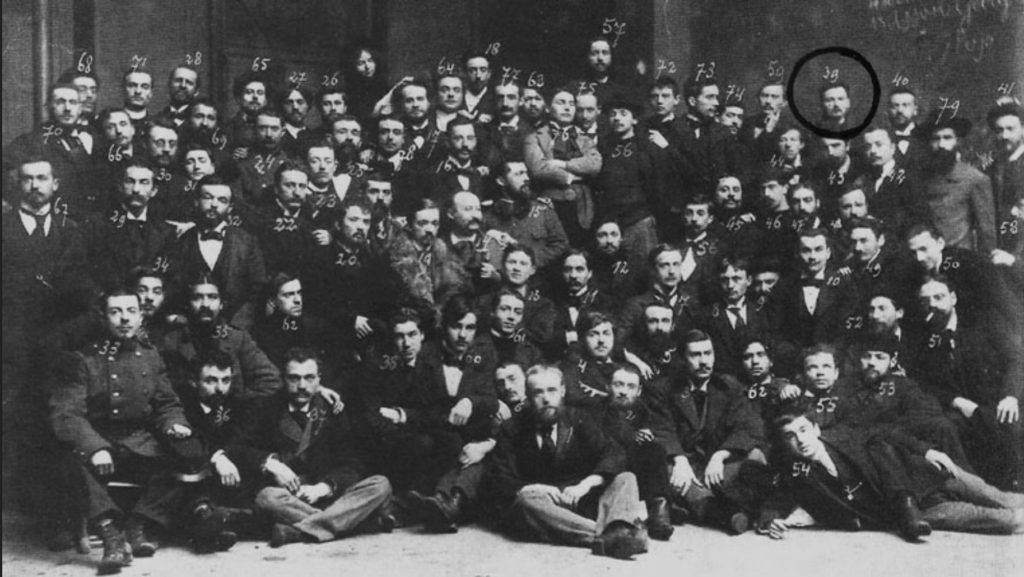 .The Salon d’automne honoured him in 1936 with an entire room devoted to him. He excelled in combinations of light playing with backlighting and chiaroscuro, with a juxtaposition of rare tones “merging into one another like silks”. Katia Granoff discovered him in 1947 and subsequently exhibited him regularly.
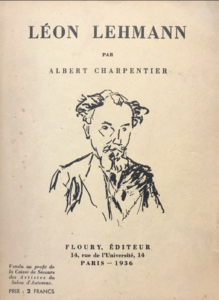
{%CAPTION%}
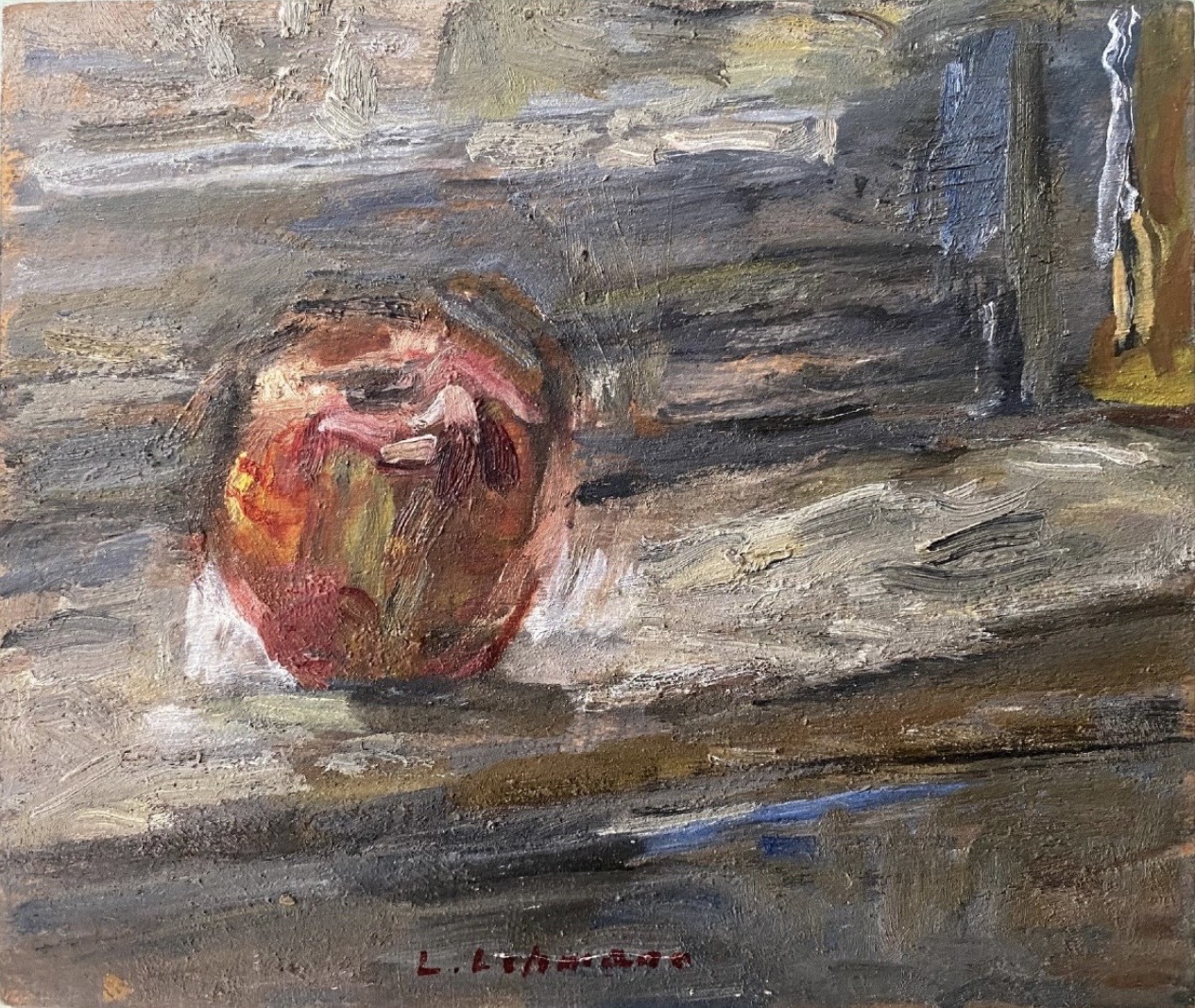
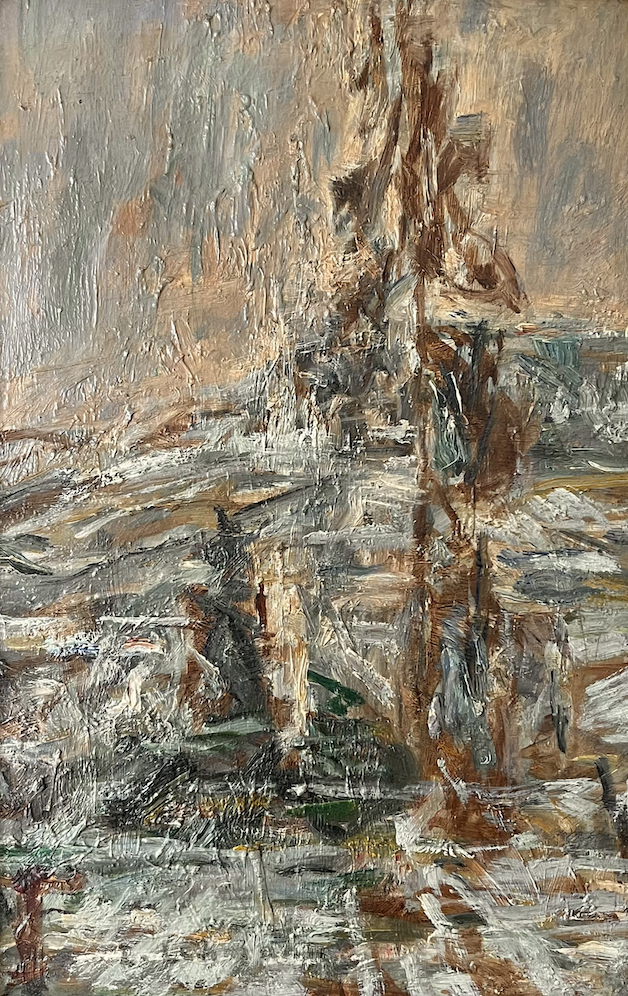
Towards the end of his life, light flooded his canvases, lines stretched out, forms broke apart. In frosted transparencies, he suggests reality more than he describes it. His final work consists of the seven canvases of a chapel, now kept at the Vatican Museums. His paintings are held in around twenty museums, in France and abroad.
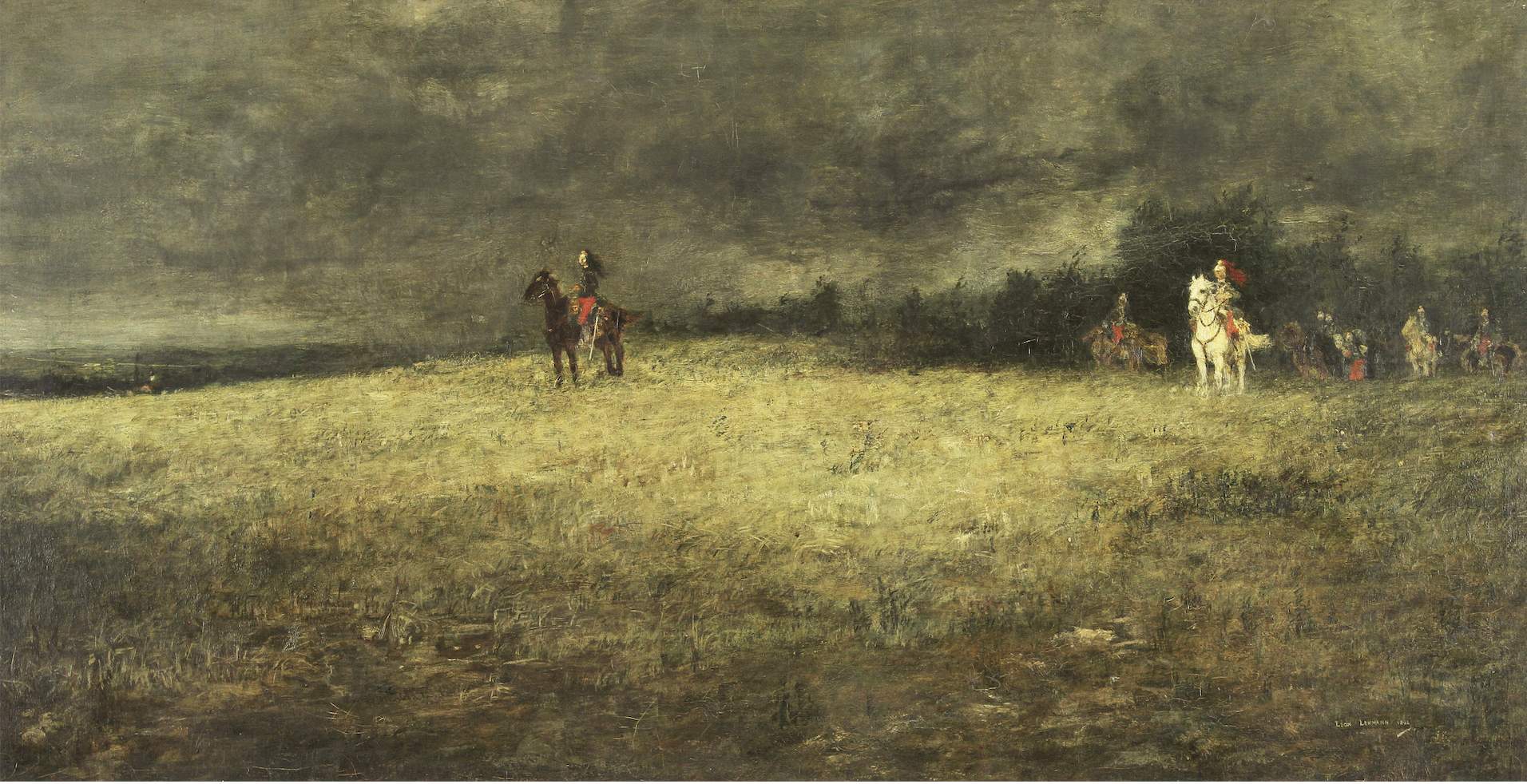
Bibliography
Website dedicated to the painter: www.leonlehmann.com, 2011
Catalogue raisonné of the work of Léon Lehmann, 2014
Wikipedia article dedicated to Léon Lehmann, 2015
Video L. Lehmann, 2021 (7 min) YouTube: https://www.youtube.com/watch?v=NSdJhyLyltI
Entry on Léon Lehmann for the Belfort Museum, 2024
Contact
Yves GÉVIN
yg.anteor@gmail.com
[UFE number : 518]