
COPTIC ART
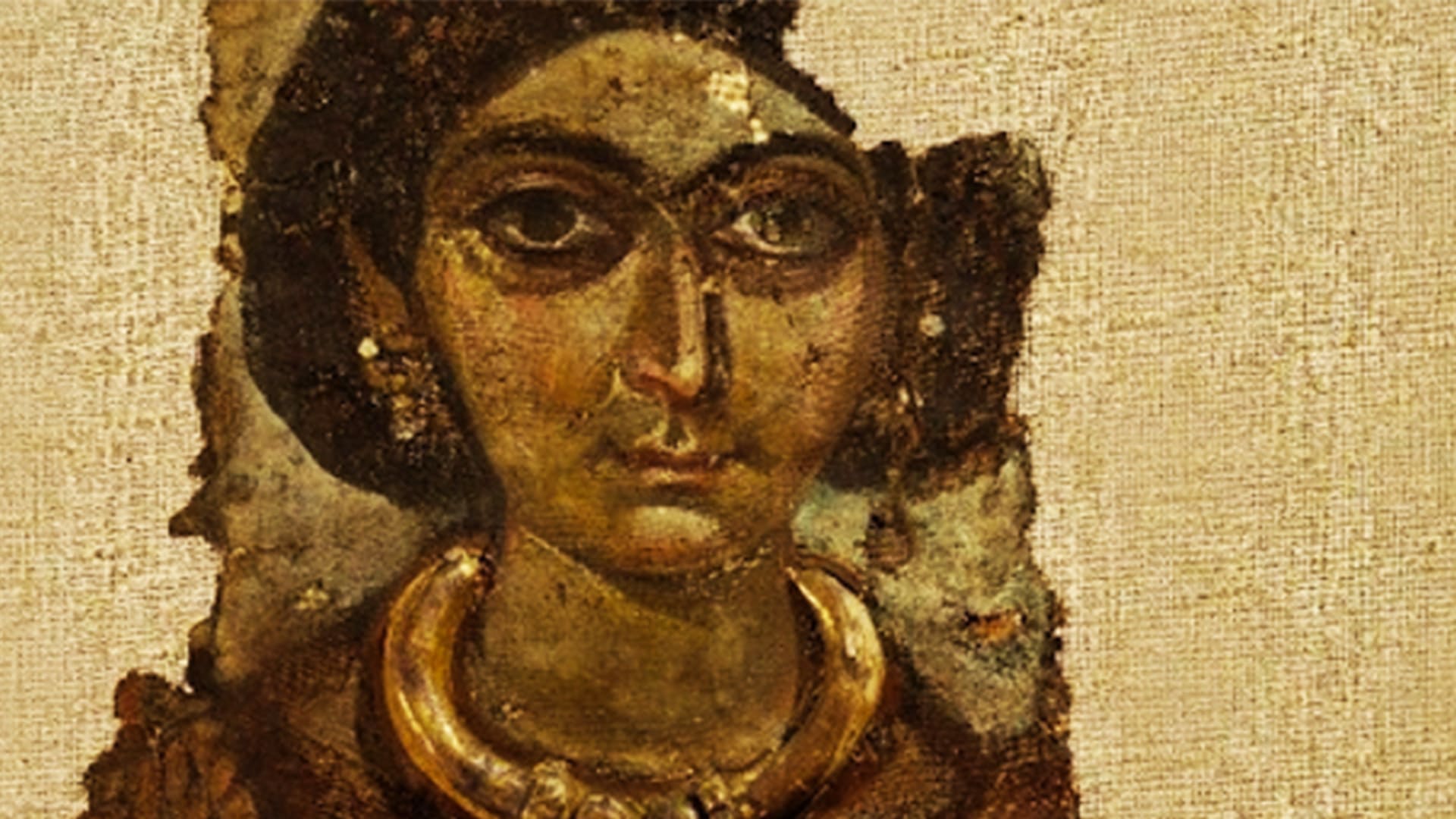
© UFE, Paris - Coptic Art
Learn More
The Church of Egypt reached its peak in the 4th century AD. Between the Roman Empire, the Byzantine Empire, and the Arab world, a divided Egypt saw a succession of religions.
Pharaonic art gave way to Greco-Roman art, yet artists and architects were inevitably influenced by these diverse cultures.
The spread of Christianity from 313 onwards fostered the creation of an Egyptian Christian art.
Coptic art thus refers to the entire artistic production created by Eastern Christians, particularly in Egypt under Roman occupation, during the Byzantine period, and through part of the Islamic period—spanning 2,000 years. It is characterized by a multiplicity of influences; it is an art that blends Egyptian, Greek, Roman, and Christian cultures.
It is rich in color; the wall paintings, miniatures, and textiles display a striking modernity that appeals to collectors of antiquities.
Discover Our expert
CORDELLE Brigitte
COPTIC ART AND ARCHAEOLOGY AND THE MEDITERRANEAN BASIN