Clovis VAIL
LIFE AND WORK OF JEAN HÉLION (1904-1987)
Return to Experts
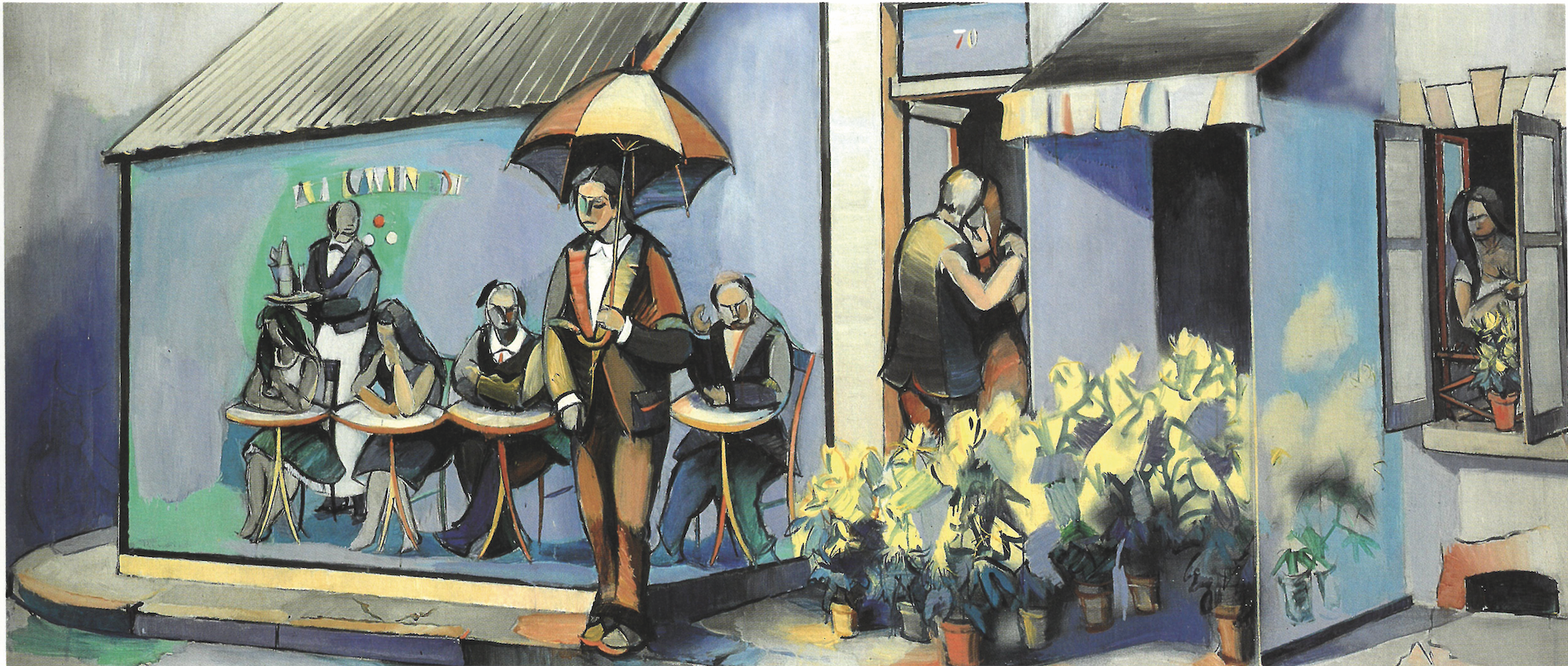
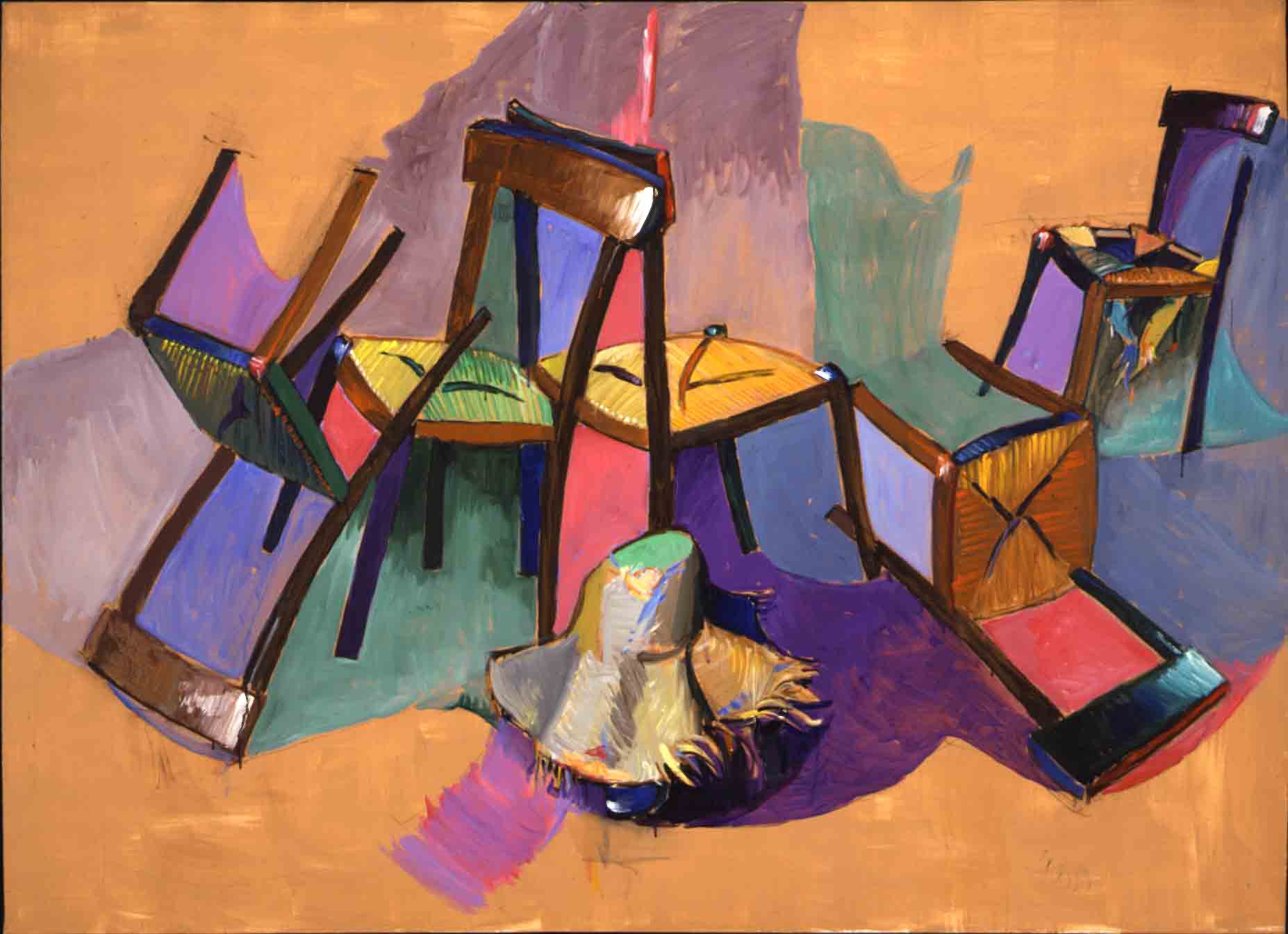
Jean Hélion – Floralie 1970 Acrylic on canvas 130 x 100 cm © archives of the Catalogue Raisonné of Jean Hélion; archives of the expert Clovis Vail, Paris 2026.
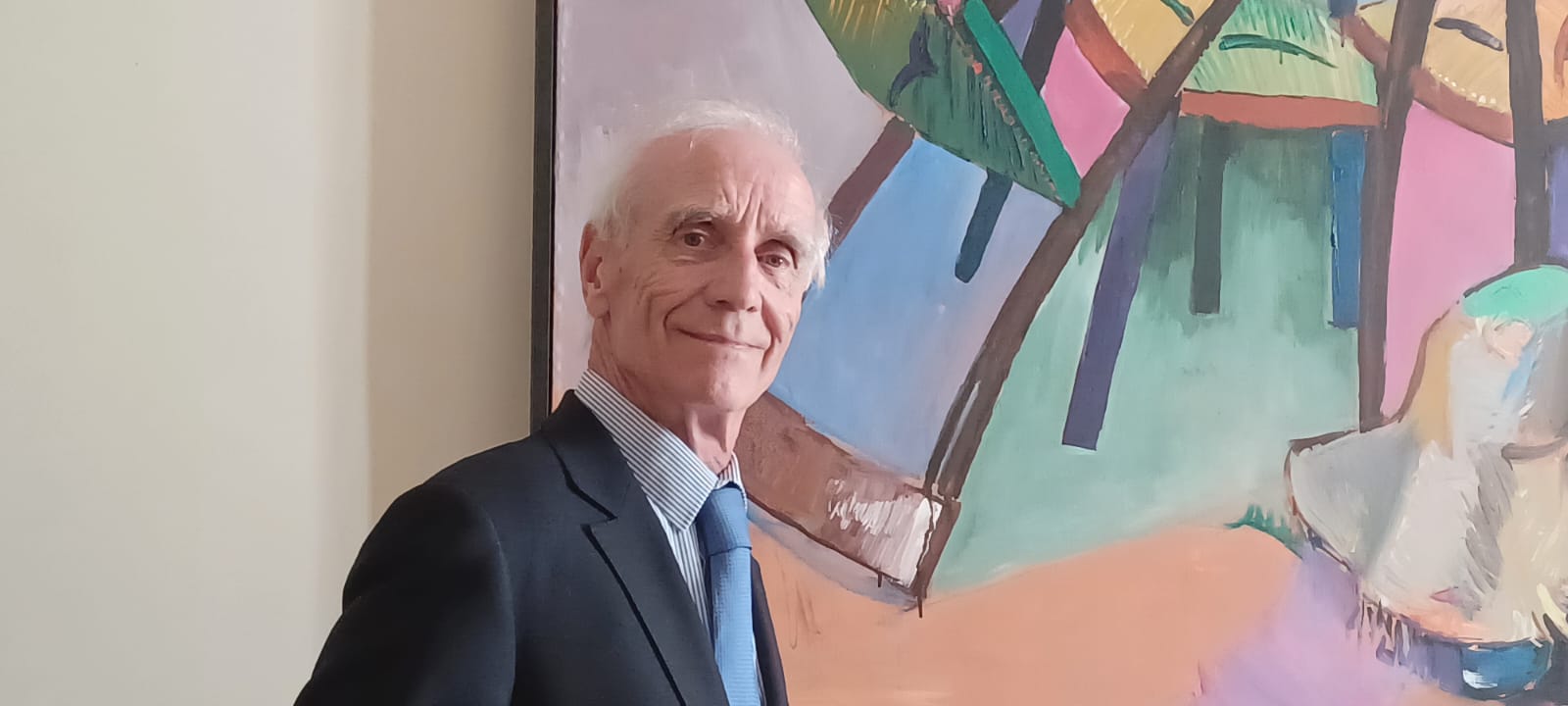
The expert: Clovis Vail
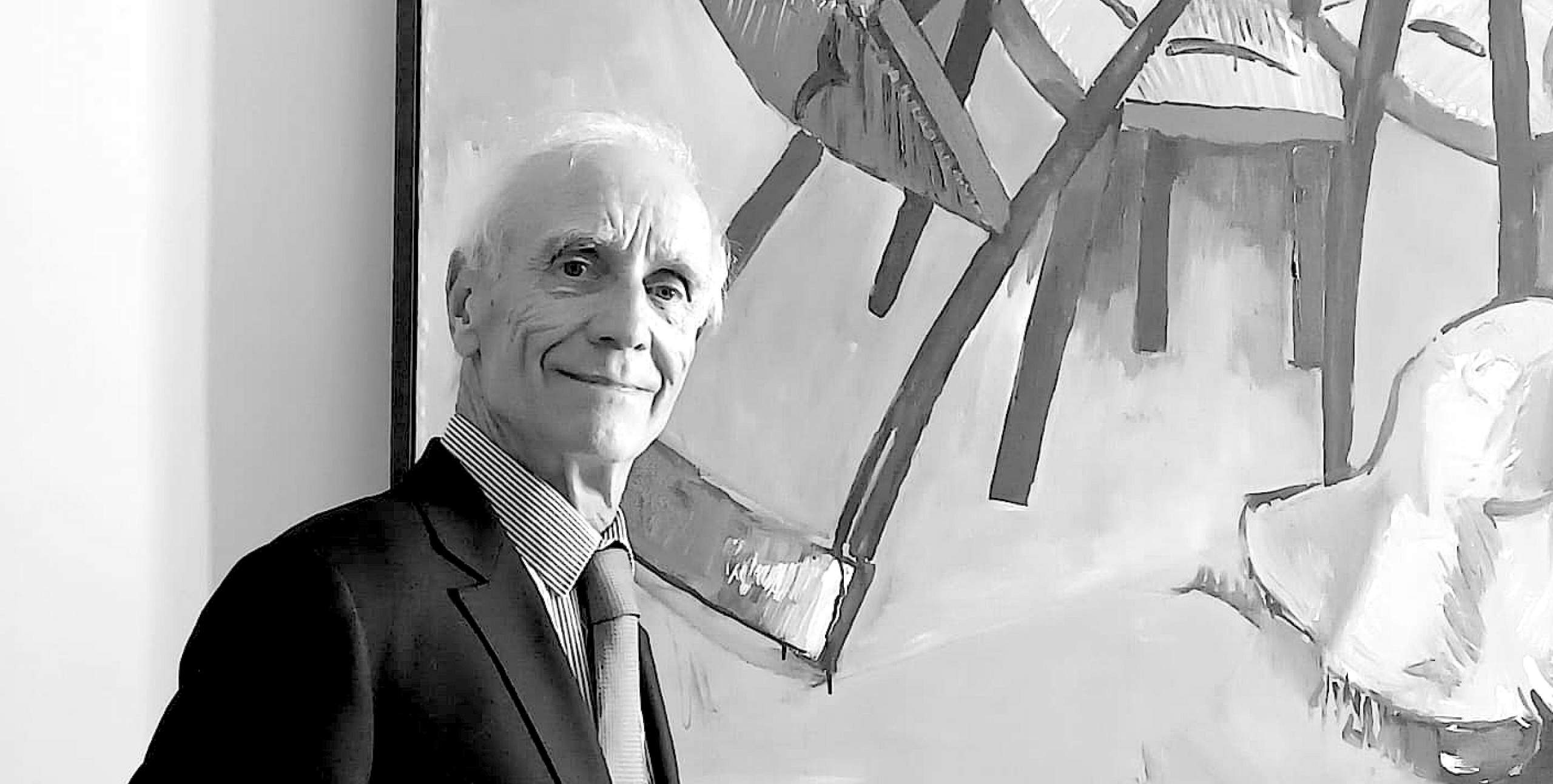
 The expert is a close associate of the artist. He has known him since his early childhood. Indeed, Jean Hélion married his aunt Pegeen Vail, becoming his uncle by marriage, with whom he spent many family stays or visited his studio. He then married his mother Jacqueline, which made Jean Hélion the stepfather of Clovis Vail. The relationship with the artist was forged over the years into a bond marked by respect and mutual affection.
Above all, Clovis Vail was able to observe and admire the artist’s work at close quarters in his studios. He was thus able to follow the evolution of Jean Hélion’s work, who sometimes allowed a visit at the end of the day. During personal interviews, Hélion would highlight a particular aspect of the day’s work, showing very simply the reason for a certain color or the concern for the search for reality. Or again, the necessity of having around him a set of objects that form a collection, that of his world. His work is organized with imperatives that go beyond their subject.
By accompanying his mother Jacqueline Hélion (heir and holder of the moral rights) and his brother in the production of the Catalogue Raisonné of the Painted Work of Jean Hélion, he was able to broaden his knowledge of the artist’s extensive body of work.
This project spanned more than ten years and culminated in 2011 with the presentation of this Catalogue in a digital version (a rare approach at the time).
For more than 15 years, Clovis Vail has been fully invested in supporting his mother Jacqueline Hélion in the constant work of monitoring and controlling activities related to exhibitions in museums and galleries, both in France and abroad, as well as with collectors.
On the occasion of the major Jean Hélion retrospective at the Musée d’Art Moderne de la Ville de Paris (March 22 to August 18, 2024), Jacqueline Hélion asked Clovis Vail to represent her to the Museum’s director, Mr. Fabrice Hergott, in order to accompany and advise the Museum in the realization of this retrospective.
Thus, he took on a particular dimension and played an important role alongside the exhibition curators, Ms. Sophie Krebs and Mr. Henry-Claude Cousseau, at each stage of preparation during the two years of the retrospective. At the pre-opening for prestigious guests, he was able to speak before the dignitaries and thank the Museum, its director, the curators, and the teams for the work accomplished in the very successful realization of the retrospective. Since the passing of his mother Jacqueline Hélion in December 2024, Clovis Vail and his brother have inherited the moral rights to the entire work of Jean Hélion and are considered the legal successors. With the Jean Hélion Association, created in 1998 by his mother, Clovis Vail continues the work of defending and promoting the work of Jean Hélion.
With the Jean Hélion Committee, which he chairs, consisting of figures from the art world and recognized specialists in his work, he offers the examination of works for the establishment of certificates of authenticity.
It happens that unknown works appear in auction houses during successions. This requires study and research in order to include them or not in the catalogue raisonné. As this catalogue raisonné is digital, it is technically possible for Clovis Vail to perform this registration.
Furthermore, he has launched, with his brother, the vast project of the Catalogue Raisonné of works on paper. A long-term endeavor.
For nearly two years, Clovis Vail has been involved in writing a newsletter for the Jean Hélion Association. From the beginning, this newsletter has been dedicated to the story of Jean Hélion’s journey as a painter. Each newsletter evokes the artist’s work and its evolution in a highly documented manner. These newsletters are a real success, and many read them with interest. Clovis Vail plans to gather all the newsletters and publish them in the form of a collection. Additionally, he offers a lecture-presentation on the work and career of Jean Hélion.
He is also preparing a biography project of Jean Hélion. And, in parallel, he has been working for two years on the publication of all of Jean Hélion’s writings, the artist having written extensively since 1929. His texts show an artist-writer like no other. Publication is scheduled for autumn 2026.
Finally, a distinctive feature in the life of Clovis Vail: his grandmother is none other than Peggy Guggenheim, who immersed him very early in 20th-century art.
The artist: Jean Hélion
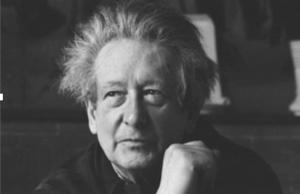
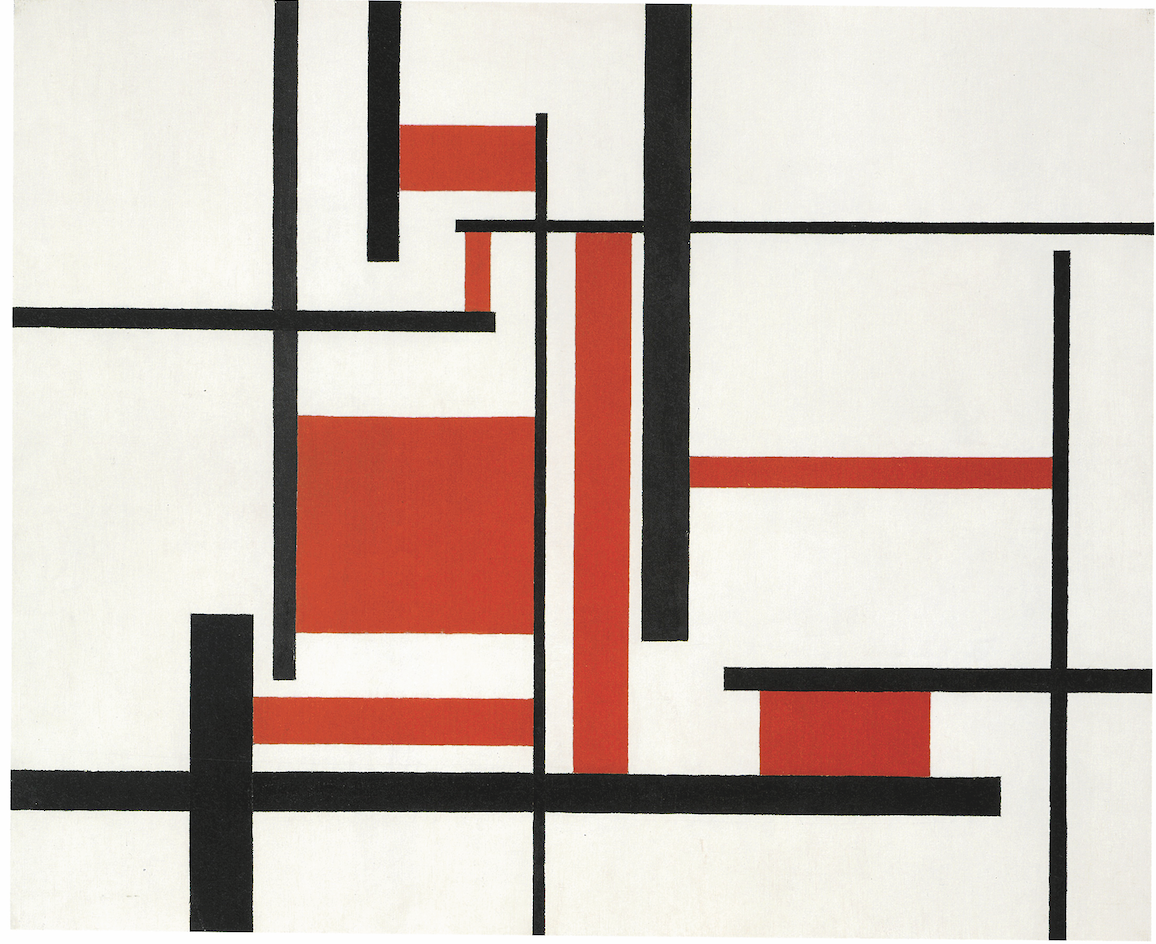
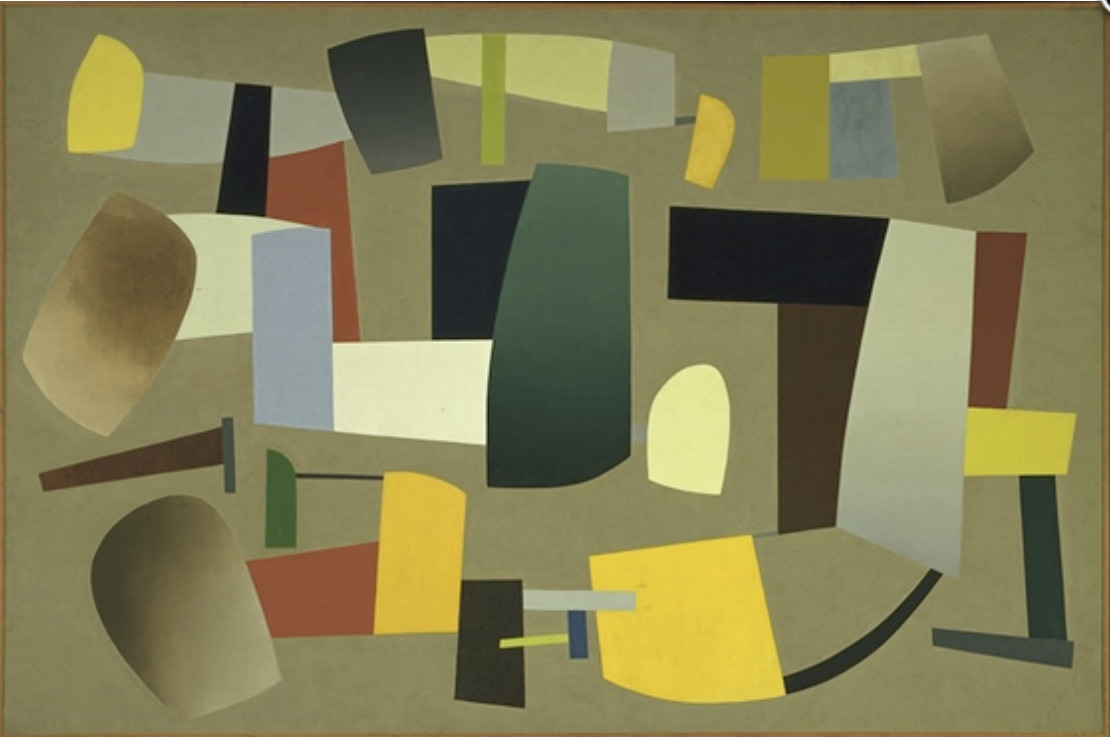
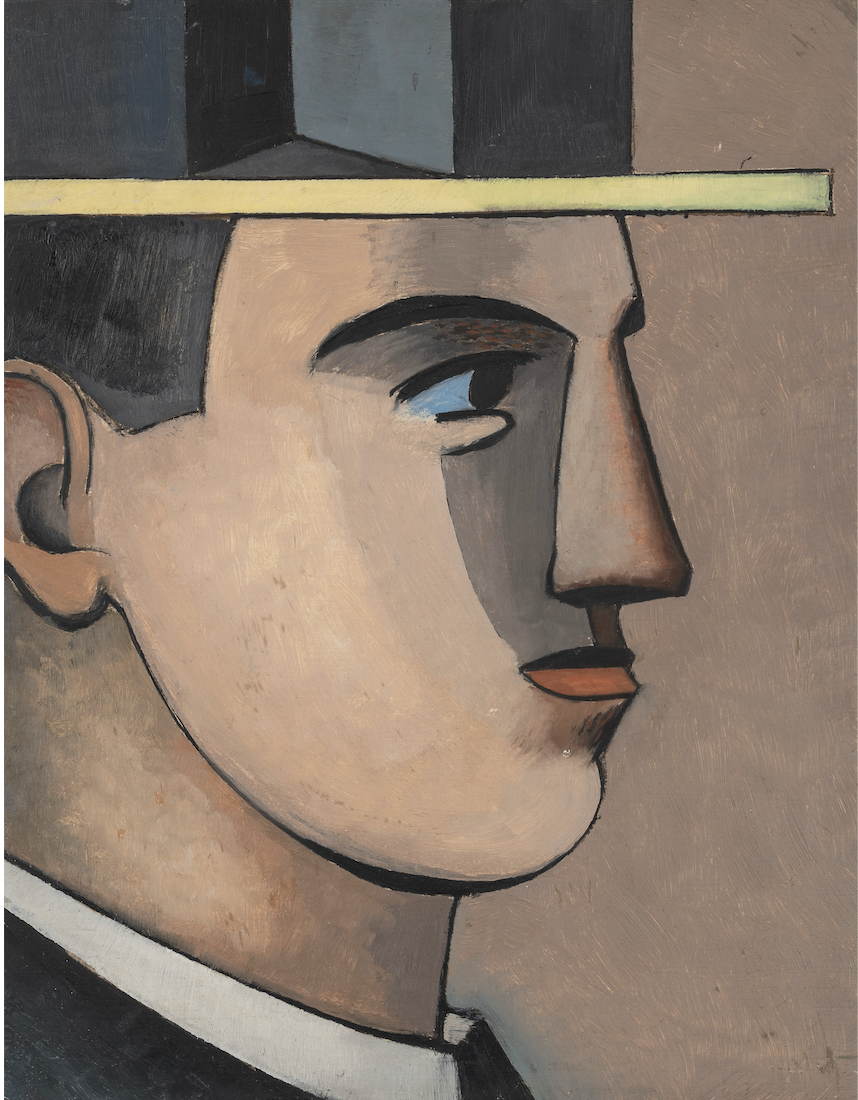
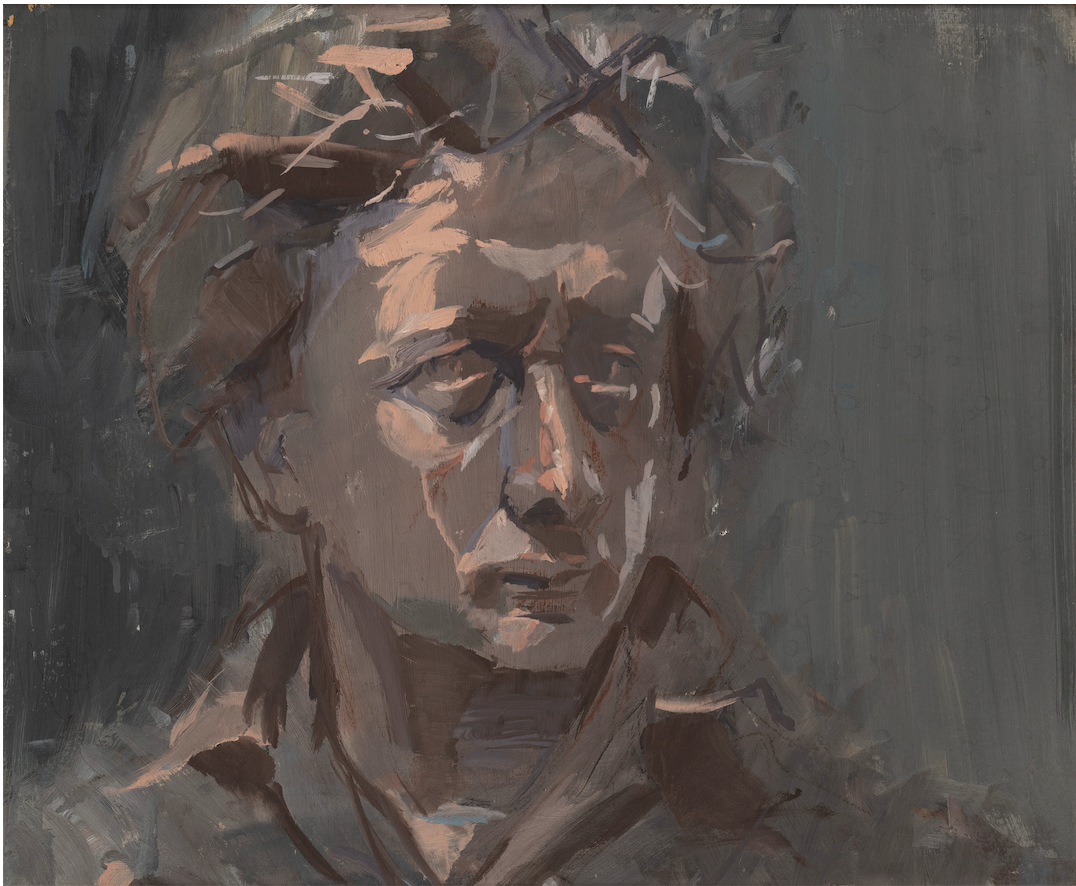
Jean Hélion is a singular artist.
His career is both surprising and disconcerting.
Of an independent character, his life is a series of risks taken.
He paid dearly for it, as he was one of the most controversial, misunderstood, and neglected painters since the late 1930s.
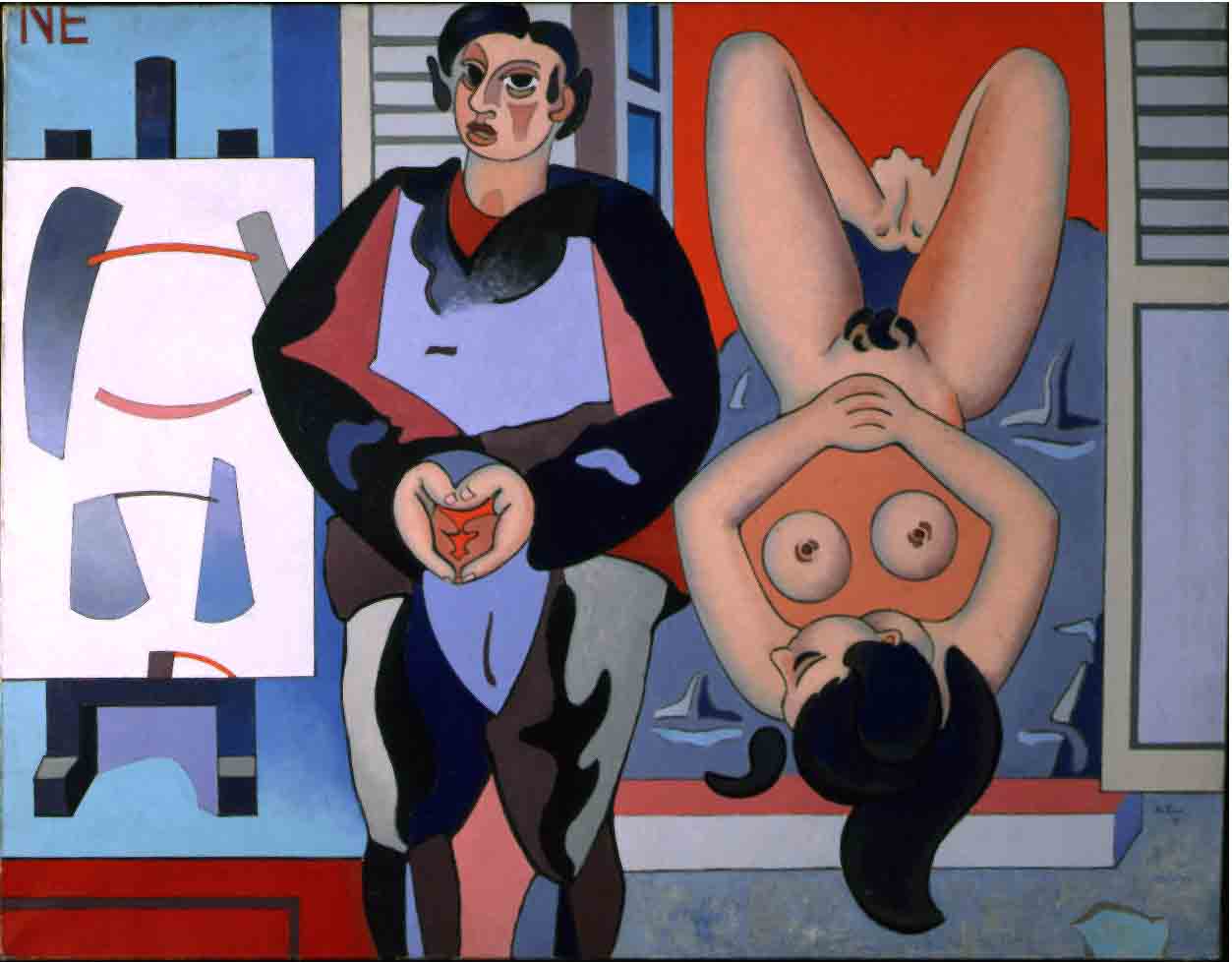
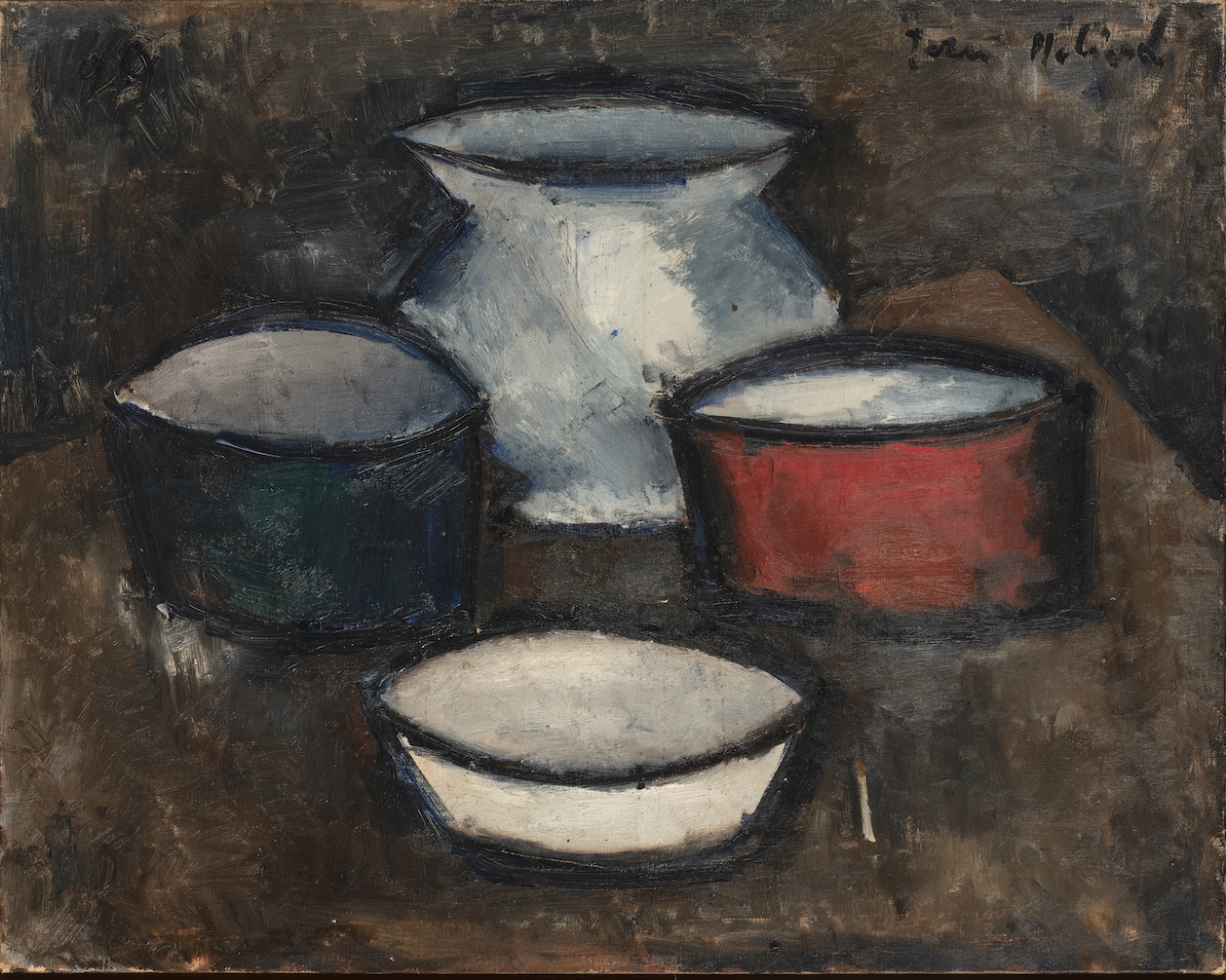
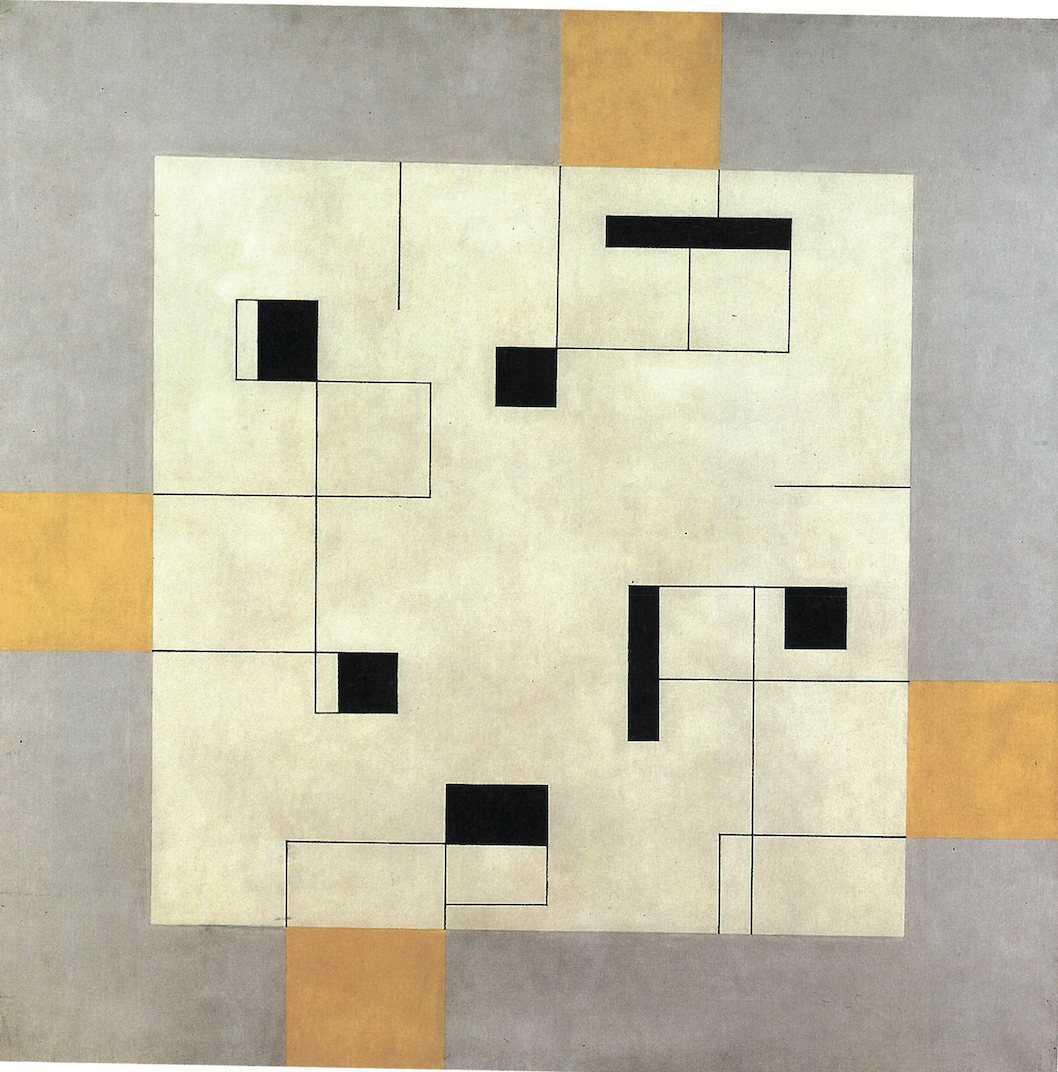
One is struck by the diversity of the paths taken by Jean Hélion, with a great freedom of attitude and an apparent indifference to the prevailing taste.
He never renounced modernity and was close to the greatest avant-garde artists: Mondrian, Victor Brauner, Jean Balthus, Arp, Calder, and Alberto Giacometti, as well as the writers of his time, Francis Ponge, Raymond Queneau, and René Char.
To which school does Hélion belong? The interest in aesthetic movements, the taste for history and classifications today create a need to enlist the artist into an allegiance, so much so that one is disconcerted that a man of value in the world can be himself and belong to no party.
Endowed with uncommon intellectual lucidity, he possessed an effective aptitude for critical questioning. With chosen and always striking words, a consummate art of speech, supported by a rare verbal ease.
He was full of formulas that abound in his paintings, right down to their titles.
With Hélion, one is in the presence of an extraordinary orator.
At the junction of prose and poetry, where humor mingles with irony. He gives voice in the wake of his images; he sings the world.
Bibliography
______________________
Bibliography – working basis:
1/ By the artist: (selection)
- A perte de vue, followed by Choses revues (Imec Editions 1996)
- They shall not have me (E.P. Dutton 1943)
- Mémoire de la chambre jaune (Artist’s writings, École supérieure des Beaux Arts 1994).
- Lettres d’Amérique. Correspondance avec Raymond Queneau 1934-1976 (Imec Editions, 1996)
- Jean Hélion’s notebooks at the BnF (approximately 200 notebooks of writings and annotations on his work).
- Journal d’un peintre, Carnets 1929-1984 (cf. supra) selection in two volumes of Jean Hélion’s notebooks, established by Anne Moeglin-Delcroix, Maeght Éditeur 1992.
- Art et mathématique, Art, Paris April 1930 p. 5-10
- Preface, catalogue of the exhibition “Kubism, Post-Kubism, Kinstruktivism, Néoplaticism, Sur-Realism, Sur-Impressionism, Purism,” Stockholm, August 1930 p. 7-9.
- A solder, “Abstraction création art non figuratif 1932″, p. 17-18
- The Evolution of Abstract Art as Shown in the Gallery of Living Art, preface to the catalogue The Gallery of Living Art. Albert E. Gallatin Collection New York, New York University 1933.
- La réalité dans la peinture, Cahier d’Art, Paris n° 9-10 1934.
- Poussin, Seurat and Double Rythm, (Paris, December 1934) Axis n° 6 summer 1936.
- Pour un art mondial, Arts n° 197, 14-20 January 1949.
- Pierre Mabille Education et théâtre Paris n° 15 December 1952.
- Un abstrait devenu figuratif. Jean Hélion : j’avais la nostalgie des formes du monde” Arts n° 727, 17-23 June 1959.
- Pour qui travaille-t-on ? Une lettre à André du Bouchet Eté-Automne 1952, Editions Claire Paulhan 2024.
- La découverte de Francis Ponge, Cahier de l’Herne Francis Ponge, Paris Ed. de l’Herne 1986.
- Le fonds Jean Hélion (archives and correspondence) at IMEC.
__________
Monographs:
- Pierre-Georges Bruguière, Jean Hélion, Paris SPEI Ed. 1970
- Daniel Abadie, Hélion ou la force des choses, Brussels Ed. de La Connaissance, 1975
- Henry-Claude Cousseau, Hélion, Ed. du Regard 1992
- Philippe Dagen, Hélion, Paris, Hazan, 2004.
- Bernard Dahan, Jean Hélion, peintre au confluent de la peinture, de la sémiologie et de la littérature, doctoral thesis Paris, Université Paris III, December 1983 (unpublished).
- Frances Morris, Jean Hélion: Abstraction to Figuration 1930-1950, Master’s thesis London Courtauld Institute University May 1983 (unpublished).
- Didier Ottinger: L’hétéroclitisme de Jean Hélion, L’Echope Paris 2005.
- Hervé Bize, Jean Hélion, Editions Cercle d’Art, Paris 2004.
- Pierre Malengrau, La métaphore transpercée : Hélion, Ponge, Lacan. Ed. La Lettre volée, Brussels 2024
- : with among others: Alain Jouffroy 1975, Jed Perl 1988, Gilles Aillaud 1990, Michel Tournier 1981, Francis Ponge 1949, 1970 and 1980, Christian Zervos 1964, Pierre Schneider 1962, John Ashbery 1960, Eduardo Arroyo, 2003…
Contact
Clovis VAIL
2 rue Gounod 75017
PARIS (France)
+33 (0) 6 28 70 80 50
clovisvail@associationjeanhelion.fr
www.associationjeanhelion.fr
[UFE number : 519]