Learn More
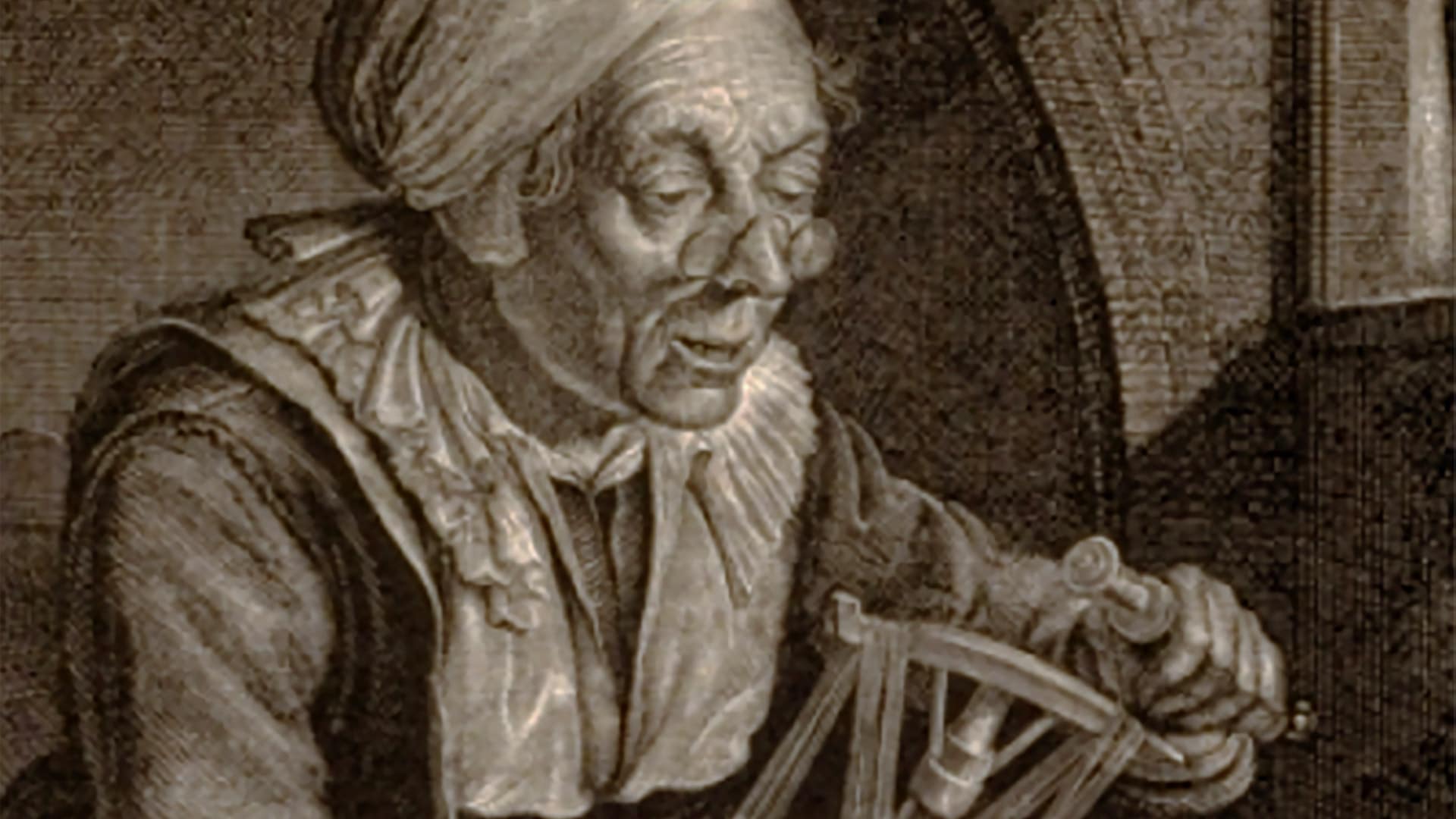
A print is the result of an engraving printed on a paper support. Its name comes from the Italian stampa, meaning press or impression.
In 1647, the painter Nicolas Poussin already used the word in its current sense of an image printed by means of an engraved plate.
The principle involves incising a plate using a tool or an etchant (acid) – a matrix most often made of wood but also of metal (copper, zinc) – which, once inked, passes under a press and produces the print.
A careful examination of a print generally allows for the recognition of the technique used.
This involves either relief printing (woodcut, linocut, criblé) or intaglio printing (chalcography, burin, drypoint, etching, mezzotint, stipple).
The date is not always indicated; sometimes it is directly in the matrix. In the case of a re-pull, the new date is usually indicated, but this time in the letterpress, at the bottom of the image. One can speak of a first edition or an original print when certain, though there are many abuses in this regard.
Since the late 19th century, these engraved indications have generally been replaced by handwritten pencil notations in the lower margin of the print, at the edge of the plate mark. To the right, one usually finds the artist's signature and the printing date. To the left, a fraction may appear, indicating the print's sequential number out of the total number of copies.
The mention "E.A." (Épreuve d'Artiste - Artist's Proof) is also sometimes found, reserved for preliminary prints. The title of the work may also appear in the center, between the fraction and the signature.
Most Impressionist and modern artists have experimented with and utilized the art of printmaking. From Edgar Degas to Zao Wou-Ki, the list would be too long to enumerate them all. Before them, masters such as Rembrandt, Nicolas Poussin, François Boucher, Hubert Robert, Achille Dévéria, Eugène Isabey, Honoré Daumier, Gustave Doré, and Charles Meyrion were great engravers.
The difficulty with multiples lies in recognizing their authenticity and estimating their value, given the different states of certain prints, their rarity, and conversely, their commonness.
Only an expert on a particular artist or these techniques will be able to answer a question. It is even recommended to consult both experts, who always work together in difficult cases.