
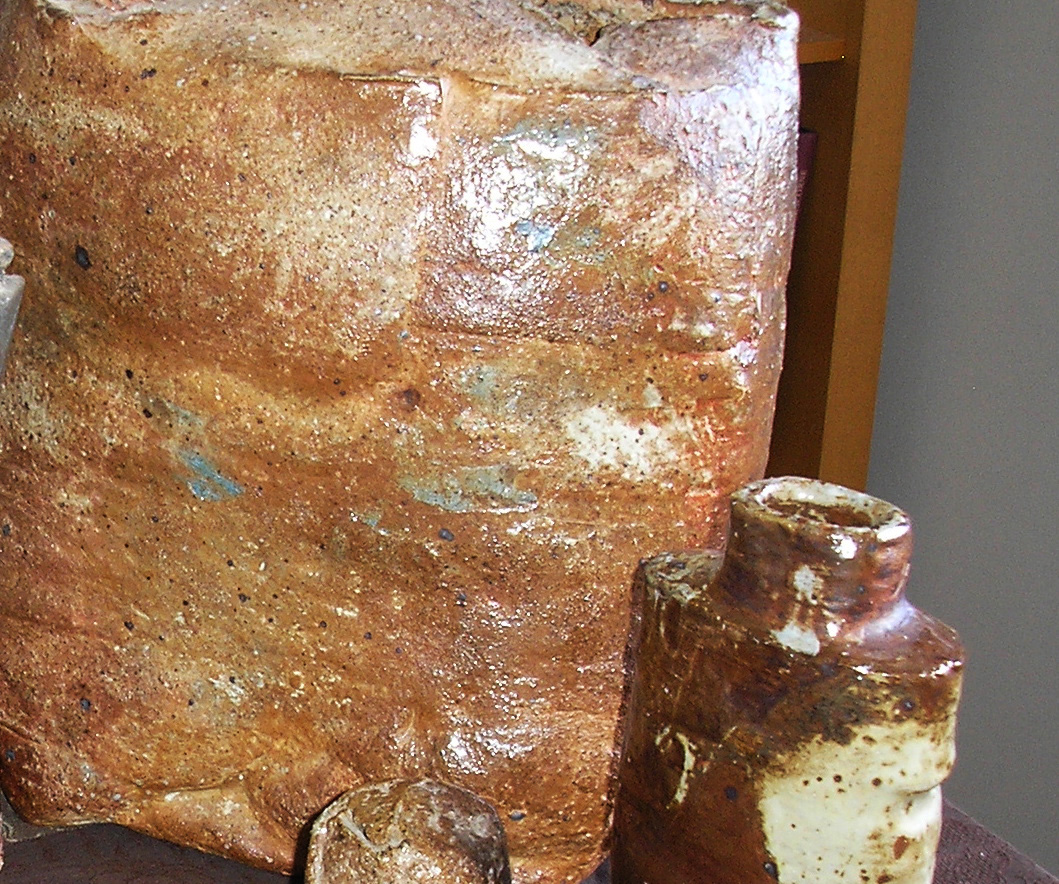
From clay alone or mixed with other minerals (quartz, feldspar, kaolin, etc.), shaped and subjected to heat, tiles, figurines, sculptures, vases, and tableware are produced.
Depending on the minerals used and the firing conditions, earthenware, stoneware, fine porcelain, and bone china are produced. Traditionally, art ceramics are designed, manufactured, and decorated in workshops. Often based on an artist’s creation, they are a collective work.
Most countries in the world, as well as the great ancient and modern civilizations (Africa, Europe, Mesopotamia, Crete, Greece, China, Korea, Japan, pre-Columbian America, etc.), have possessed or still possess a very ancient tradition of art ceramics. Beyond being useful everyday items, ceramic objects can also be works of art that bear witness to and convey segments of the history of the era in which they were created, notably during the French Revolution.
Most modern artists, such as those of the Art Nouveau movement, embraced the medium; the Fauves and the Cubists in particular expressed themselves through ceramics.